How to Throw Darts Correctly (Beginner Tips)
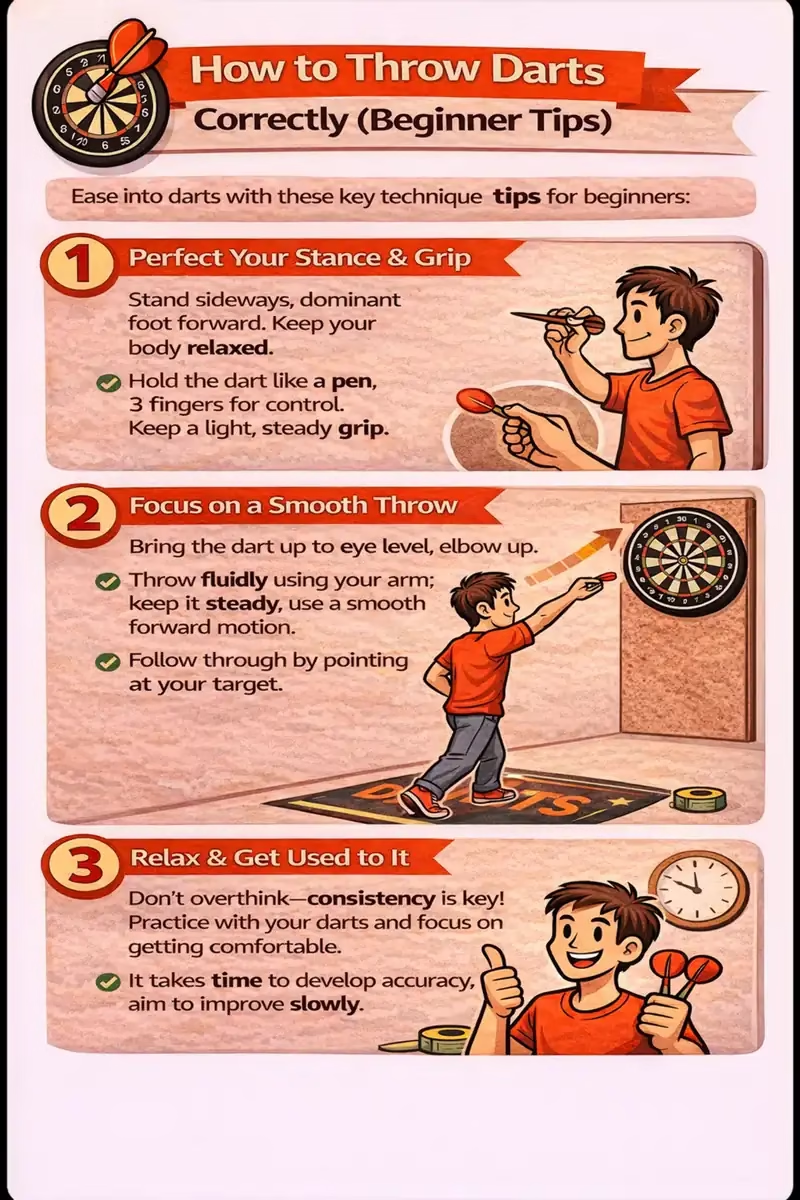
Learning how to throw darts correctly is the most important step for any beginner who wants to improve. Many new players assume that accuracy comes from strength or expensive equipment, but in reality, good dart throwing is all about technique, consistency, and patience.
When we first started playing darts regularly, it became clear very quickly that simply throwing harder didn’t help. In fact, throwing with force often made accuracy worse. Once we focused on proper stance, grip, and a repeatable motion, improvement became noticeable within weeks.
This guide is designed specifically for beginners. It covers everything you need to know about throwing darts correctly—from body positioning to follow-through—so you can build a strong foundation and enjoy the game without frustration.
🧠 Understanding What Makes a Good Dart Throw
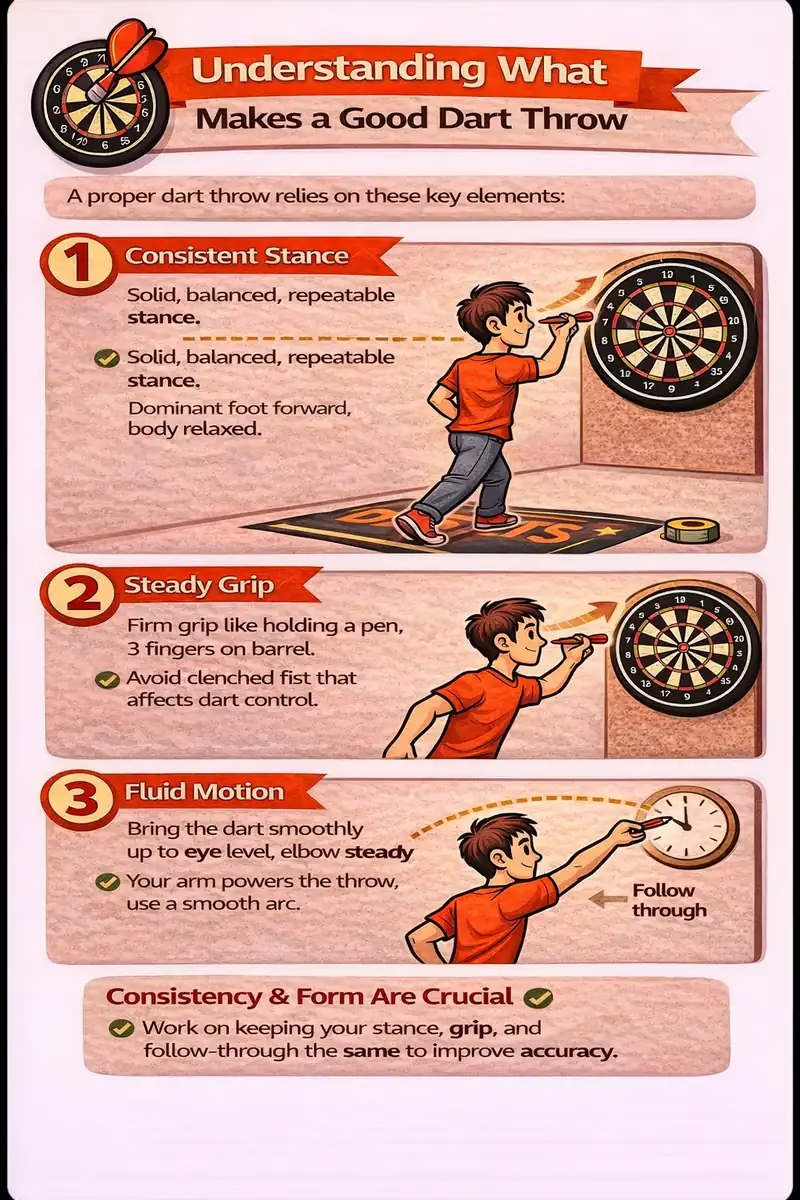
A correct dart throw is smooth, controlled, and repeatable. Unlike many sports, darts is not about power. It’s about repeating the same motion again and again with small refinements.
A good throw consists of:
A stable stance
A relaxed grip
A straight throwing motion
A clean release
Proper follow-through
Beginners who focus on these fundamentals improve much faster than those who constantly change their technique.
🧍 Proper Stance: Setting Up Your Throw
Your stance is the base of your entire throwing motion. If your stance is unstable, your throw will be inconsistent no matter how good your arm motion is.
Beginner Stance Guidelines
Stand sideways to the dartboard
Place your dominant foot forward (same side as throwing hand)
Keep your back foot slightly behind for balance
Lean forward slightly without losing balance
Keep your body still during the throw
One mistake beginners often make is shifting their weight while throwing. Try to stay as still as possible and let only improve your dart throwing.
📏 Distance and Positioning
Correct positioning helps develop muscle memory.
Standard Throwing Distance
7 feet 9¼ inches (2.37 meters) from the board (steel-tip darts)
Always practice from the same distance. Moving closer or farther makes it harder to build consistency.
✋ How to Hold a Dart (Grip Technique)
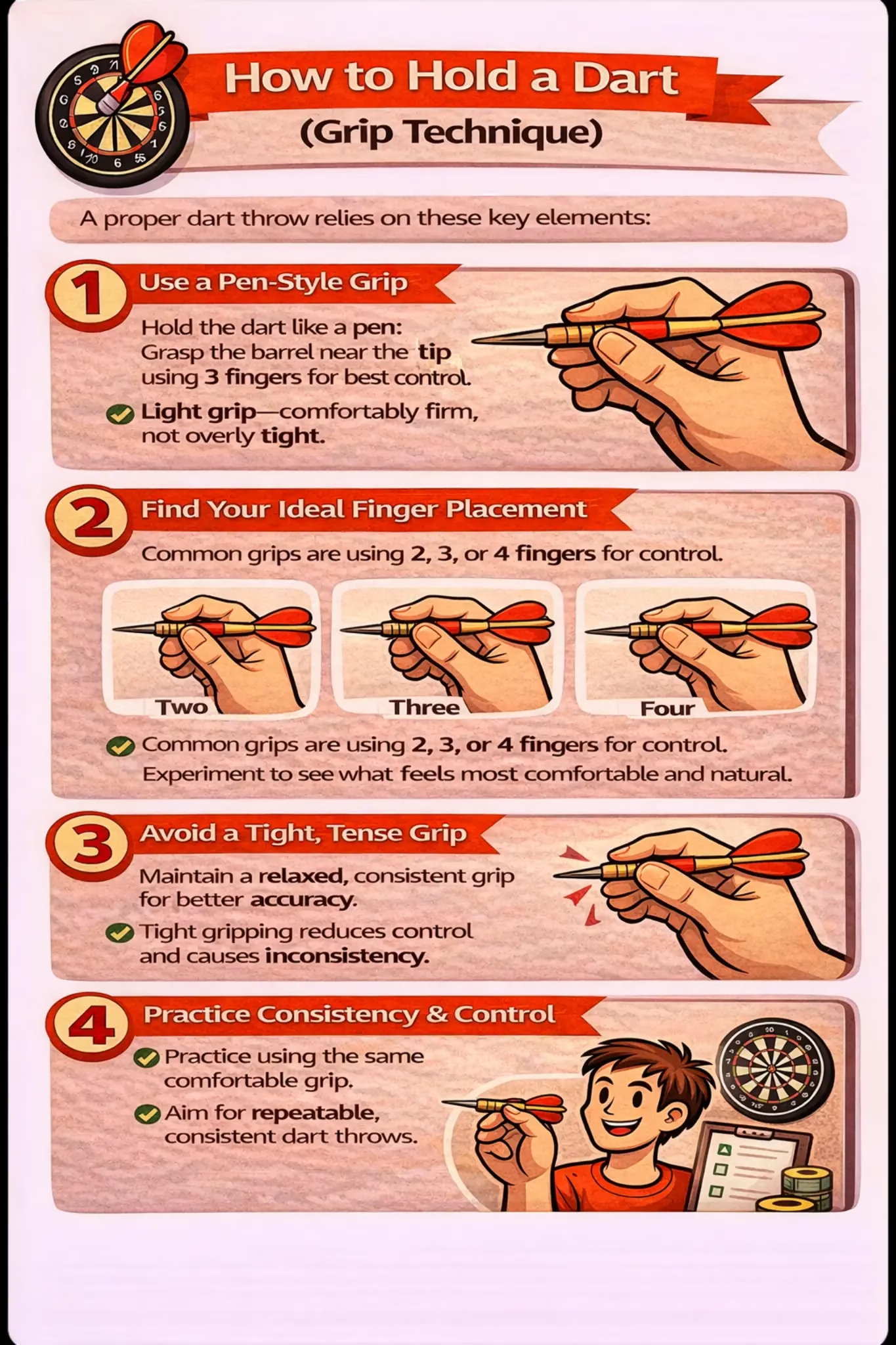
There is no single “perfect” dart grip, but beginners should start with a simple, relaxed grip and adjust slightly over time.
Basic Beginner Grip
Hold the dart with 3 or 4 fingers
Thumb underneath the barrel
Index and middle finger on top or side
Keep the dart level
Avoid squeezing too tightly
A tight grip causes tension and jerky throws. A relaxed grip allows a smoother release.
When we first loosened our grip slightly, accuracy improved almost immediately.
🎯 Aiming the Right Way
Aiming in darts is more about focus and repetition than eyesight.
Beginner Aiming Tips
Pick a small target, not the whole board
Keep your eyes on the target, not the dart
Keep your head still
Avoid rushing the throw
Beginners often aim too generally. Instead of “aiming at the 20,” aim at a specific wire or spot inside the segment.
🔄 The Throwing Motion Explained
A correct dart throw should feel natural and smooth.
Step-by-Step Throwing Motion
Bring the dart back slowly
Keep your elbow up and steady
Push the dart forward in a straight line
Release the dart naturally
Follow through toward the target
Your elbow should act like a hinge. The rest of your body stays still.
👉 Follow-Through: Why It Matters
Follow-through is often overlooked by beginners, but it plays a big role in accuracy.
Proper Follow-Through
Arm extends toward the target
Fingers point where you want the dart to go
Don’t stop your arm suddenly
A good follow-through ensures the dart leaves your hand smoothly and travels straight.
🕒 Practice Tips for Beginners
Practicing without a plan can slow improvement. Short, focused practice sessions work best.
Simple Beginner Practice Routine
5 minutes warm-up
Aim for the bullseye (control practice)
Throw at large numbers (20, 19, 18)
Finish with a fun game
Practicing 15–30 minutes daily is more effective than long, irregular sessions.
❌ Common Dart Throwing Mistakes Beginners Make
Throwing Too Hard
Power reduces control. Focus on smooth motion instead.
Changing Technique Too Often
Stick to one technique and refine it gradually.
Poor Grip Pressure
Squeezing the dart causes inconsistency.
Moving the Body While Throwing
Only your arm should move.
Recognizing these mistakes early helps prevent bad habits.
🧠 Mental Focus and Confidence
Darts is as much a mental game as it is physical.
Mental Tips for Beginners
Stay calm after misses
Focus on consistency, not perfection
Don’t rush your throws
Take breaks if frustrated
Confidence grows naturally as your technique improves.
🧰 Equipment Tips That Affect Throwing
You don’t need expensive gear, but basic equipment matters.
Beginner Equipment Advice
Dart weight: 22–24 grams
Use straight or slightly tapered barrels
Ensure good lighting
Use a stable dartboard setup
- best darts for beginners guide
Comfortable equipment helps maintain consistency.
📅 How Long Does It Take to Learn Proper Dart Throwing?
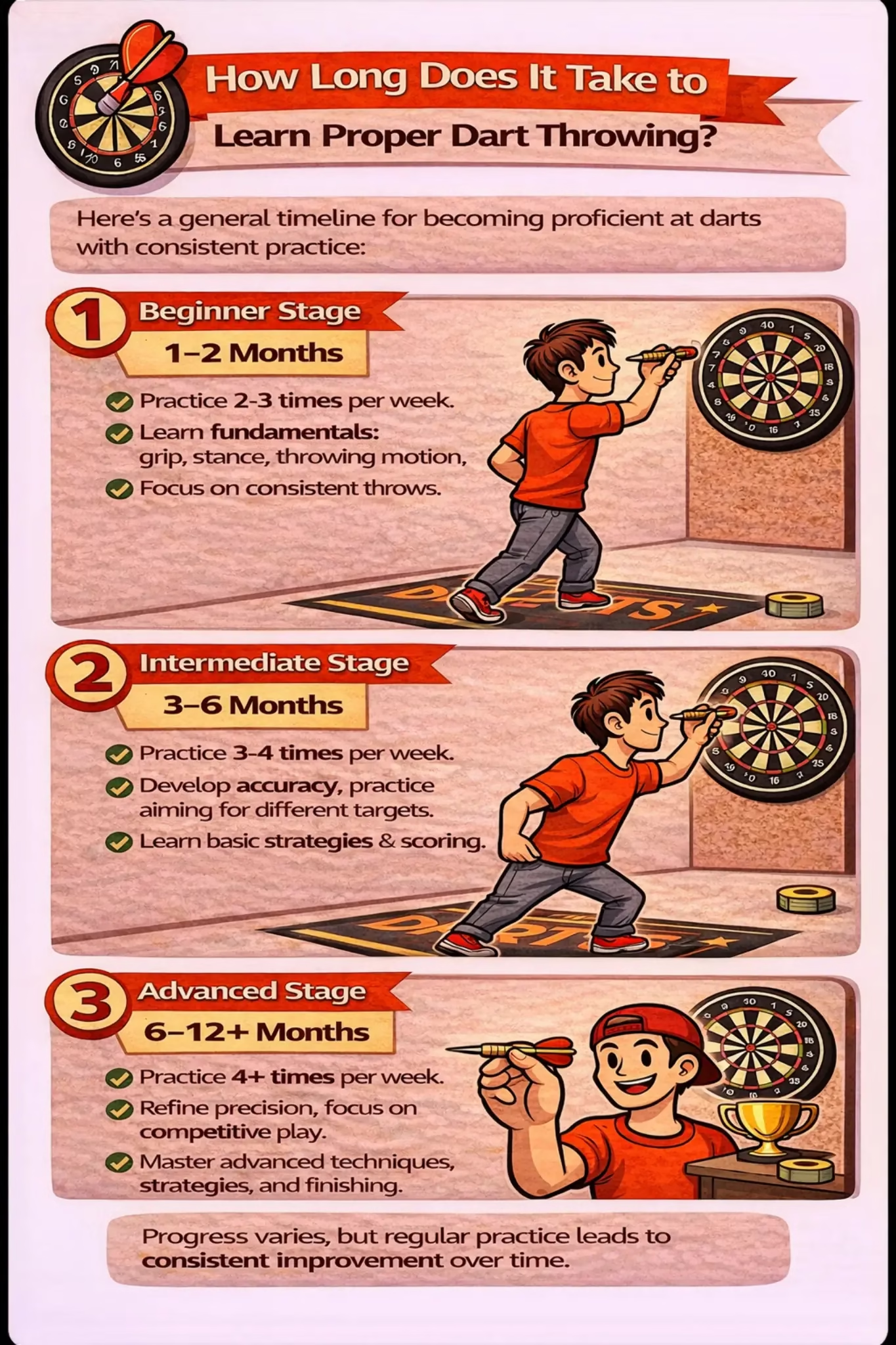
Every player is different, but most beginners notice improvement within a few weeks of consistent practice.
Typical Progress Timeline
Week 1–2: Learning fundamentals
Week 3–4: Improved consistency
Month 2+: Better accuracy and grouping
Patience is key. Improvement comes gradually.
❓ Frequently Asked Questions
Should beginners copy professional throwing styles?
No. Start with basic technique and develop your own style naturally.
Is it normal to miss often as a beginner?
Yes. Missing is part of learning.
Can grip style change over time?
Yes. Many players adjust grip slightly as they improve.
Is accuracy more important than scoring?
For beginners, accuracy always comes first.
🧠 Final Thoughts
Learning how to throw darts correctly takes time, but it doesn’t have to be frustrating. Beginners who focus on proper stance, relaxed grip, smooth motion, and consistent practice improve faster and enjoy the game more.
From what we’ve seen, players who build good habits early avoid many common problems later. Darts rewards patience and repetition, and even small improvements add up over time.
So take your time, practice regularly, and focus on technique. With the right approach, accuracy and confidence will follow.
🔒 Transparency Notice
This article is for informational purposes only. Results may vary depending on practice habits and individual skill levels.