How to set up a Dart Board with Height Measurements? [Answered]
Measure the Ideal Height for Your Dart Board
Setting up a dartboard is more than just hanging a target on the wall. It’s about creating an experience that balances fun, precision, and skill. Whether you’re aiming for casual games with friends or honing your skills for serious competition, proper measurements are vital. The right height can significantly influence your performance and enjoyment.
Imagine stepping up to throw darts with confidence because you know everything is set perfectly in place. But how do you achieve that? With the correct height measurements and essential setup considerations, you’ll be well on your way to perfecting your aim. Ready to transform your game? Let’s dive into the details of setting up a dartboard like a pro!
If you’ve ever felt like your darts just weren’t landing where you aimed, your setup might be the reason. Many players focus on improving their throw but overlook how much the board’s height and distance affect consistency. A properly set dartboard instantly makes the game feel more natural—and more fun.
Official Dartboard Measurements
![The-official-dartsboard-measurements How to set up a Dart Board with Height Measurements? [Answered]](https://dartspremium.com/wp-content/uploads/2025/02/The-official-dartsboard-measurements.avif)
To ensure an optimal dart-playing experience, adhering to official measurements is crucial. The standard height for a dartboard is 5 feet 8 inches (1.73 meters) from the floor to the center of the bullseye. These measurements are used worldwide and are trusted by professional organizations such as the World Darts Federation and the American Darts Organization.
Next up is the distance from which players throw their darts. The regulation throw line, or “oche,” should be set at 7 feet 9.25 inches (2.37 meters) measured horizontally from the face of the board. Following these beginner guides creates a level playing field and ensures everyone enjoys game time equally.
If you’re mounting your dartboard on uneven surfaces, it might take some adjustments to achieve that perfect height and distance combination. You may also want to account for any additional padding or surround that could affect your measurements slightly.
Remember, consistency in setup leads to improved accuracy over time. Paying attention to these official standards will help you refine your skills while providing an enjoyable atmosphere for friendly competition with friends or family.
Don’t worry if your setup isn’t perfect on the first try. Even professional players double-check their measurements. Taking a few extra minutes now can save frustration later and help you enjoy smoother, more accurate throws.
Things to Consider Before Hanging a Dartboard
![things-to-consider-before-hanging-a-dartboard-1 How to set up a Dart Board with Height Measurements? [Answered]](https://dartspremium.com/wp-content/uploads/2025/08/things-to-consider-before-hanging-a-dartboard-1.avif)
Before you hang your dartboard, think about the space where it will live. Ensure that you have ample room for players to stand back and throw without obstruction. A cluttered area can lead to accidents or broken darts.
Next, consider the wall material behind your board. Softwoods may dent easily, while drywall might suffer damage from errant throws. Installing a protective backing can save your walls and improve longevity for both the board and your investment in darts.
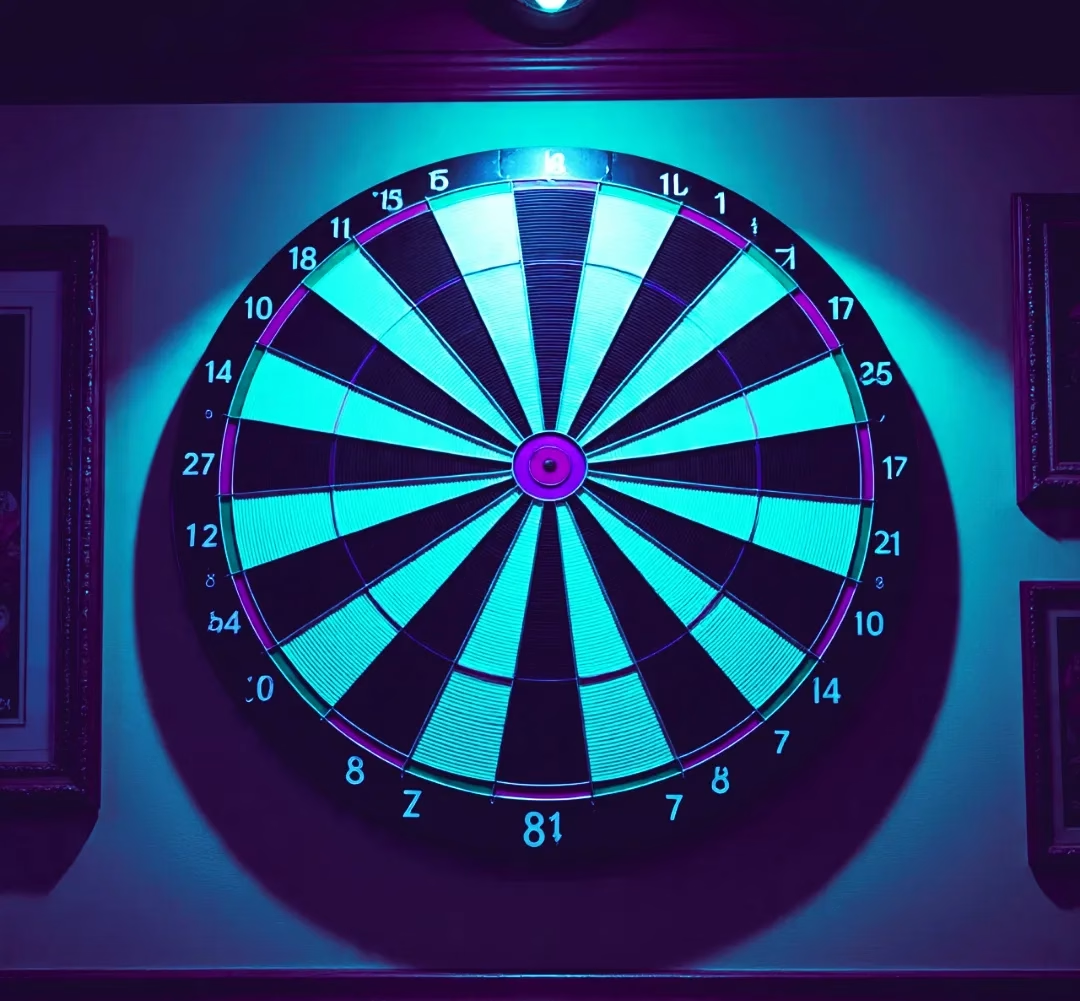
Lighting is another important detail that many people forget—but it can make or break your game. Good lighting enhances visibility and helps players see their targets clearly. Avoid placing the board in shadows; instead, opt for natural light if possible or install dedicated lighting fixtures above it.
Think about who will be using the dartboard most frequently—kids or adults? This consideration impacts height measurements as well as safety features like surrounds that protect against stray darts. Tailoring your setup based on user needs creates a better experience for everyone involved.
If you’re short on space, don’t worry—you don’t need a full game room. Many players successfully set up dartboards in apartments, garages, or spare rooms. Just make sure the throwing lane is clear and safe before playing.
Hanging a Dart Board with Various Mounting Kits
![hanging-a-dart-board-with-various-mounting-kits How to set up a Dart Board with Height Measurements? [Answered]](https://dartspremium.com/wp-content/uploads/2025/08/hanging-a-dart-board-with-various-mounting-kits.avif)
When it comes to hanging your dart board, the right mounting kit can make all the difference. There are several options available, each designed for various types of boards and wall materials. The most common kits include brackets and wall mounts specifically engineered to provide stability.
Brackets usually attach directly to the back of the dart board and secure it against a wall. This method is ideal for both wood and drywall surfaces. You want to ensure that the screws penetrate into sturdy studs behind your wall for maximum support. Otherwise, you risk damaging your board or walls during play.
If you’re using a traditional cork or sisal dartboard, consider investing in a rotating mount. This allows you to easily turn the board when needed without having to detach it from its fixed position. It’s great for extending its lifespan by evenly distributing wear on different segments.
For those who prefer additional features, some advanced kits come with built-in leveling tools or even lighting fixtures. These enhancements not only improve gameplay but also elevate your overall dart-playing experience at home.
Dartboard Distance from Throw Line
![dartboard-distance-from-throw-line How to set up a Dart Board with Height Measurements? [Answered]](https://dartspremium.com/wp-content/uploads/2025/08/dartboard-distance-from-throw-line.avif)
The distance from the throw line, also known as the oche, is crucial for proper dart play. For standard competition setups, this distance measures 7 feet 9.25 inches (2.37 meters) from the front of the dartboard to the back edge of the throw line. Getting this measurement right can significantly impact your accuracy and overall game experience.
When measuring your space, ensure that you account for any flooring or wall obstructions that might affect your stance and throwing motion. You want a clear area where you can move freely without distractions. A little extra room on either side won’t hurt; it allows players to stand comfortably when taking their shots.
If you’re using a retractable or movable setup, double-check measurements each time you set it up to maintain consistency in practice sessions or games with friends. Consistency helps build muscle memory, which translates into better performance over time.
It’s also worth noting that different leagues may have variations in distance requirements based on specific rules or formats being played. Always be sure to verify these before engaging in competitive play!
Dartboard Surrounds and Lighting
![dartboard-surrounds-and-lighting How to set up a Dart Board with Height Measurements? [Answered]](https://dartspremium.com/wp-content/uploads/2025/08/dartboard-surrounds-and-lighting.avif)
Surrounds are essential for protecting your walls and enhancing the overall look of your dart setup. A good surround can catch stray darts, preventing damage to surfaces behind the board. They come in a variety of styles and colors, allowing you to choose one that matches your decor or personal taste.
Lighting plays a crucial role in ensuring accurate throws. Proper illumination can help you see the target clearly and enhance focus during gameplay. Consider installing overhead lights or LED strips around the board for an even glow that eliminates shadows.
When choosing lighting, think about brightness levels as well. Too much glare can be distracting while too little light may hinder visibility. Adjustable fixtures allow you to customize brightness according to different times of day or ambient conditions.
Combining surrounds with effective lighting creates an inviting atmosphere for both casual play and competitive matches. The right setup not only protects your space but also elevates the entire experience, making every game more enjoyable and visually appealing.
Enhancing Your Dartboard Setup
![enhancing-your-dartboard-setup How to set up a Dart Board with Height Measurements? [Answered]](https://dartspremium.com/wp-content/uploads/2025/08/enhancing-your-dartboard-setup.avif)
When it comes to creating the ultimate dartboard experience, several enhancements can elevate your setup. Start with a quality dartboard surround. This essential addition protects your walls from stray darts and minimizes damage while also providing an aesthetically pleasing backdrop.
Next, consider proper lighting. A well-lit area ensures that you can clearly see the board’s numbers and segments without straining your eyes. Look for LED lights or adjustable lamps that offer direct illumination over the dartboard.
Comfort is another crucial element in enhancing your setup. Choose a throw line that’s comfortable for you, allowing you to stand at ease as you aim and throw darts consistently. Adding some padding on the floor where players stand can help improve comfort during long games.
Personalize your space to make it inviting! Hang up memorabilia or photos related to darts, display trophies you’ve earned, or even adorn the walls with designs that inspire competition among friends.
By focusing on these elements—surrounds, lighting, comfort, and personalization—you’ll create not just an optimal environment for playing but also one that reflects your passion for this classic game. The right setup transforms each game into a memorable event worth celebrating.
Caring for Your Dartboard
Rotating your dartboard every few weeks helps distribute wear evenly and extends its lifespan. Avoid pulling darts out at an angle, as this can damage the board fibers. With basic care, a quality dartboard can last for years.
Safety Note:
Always ensure no one is standing near the dartboard while throwing. Darts have sharp tips and should be used responsibly, especially around children or pets.
Why Trust This Guide?
This article is based on official dart regulations and real player experiences. Measurements follow globally accepted standards used in professional and recreational play.
Whether you’re playing for fun or practicing seriously, a properly set dartboard makes every game more enjoyable. Take your time, measure carefully, and most importantly—have fun throwing.