how to practice darts at home
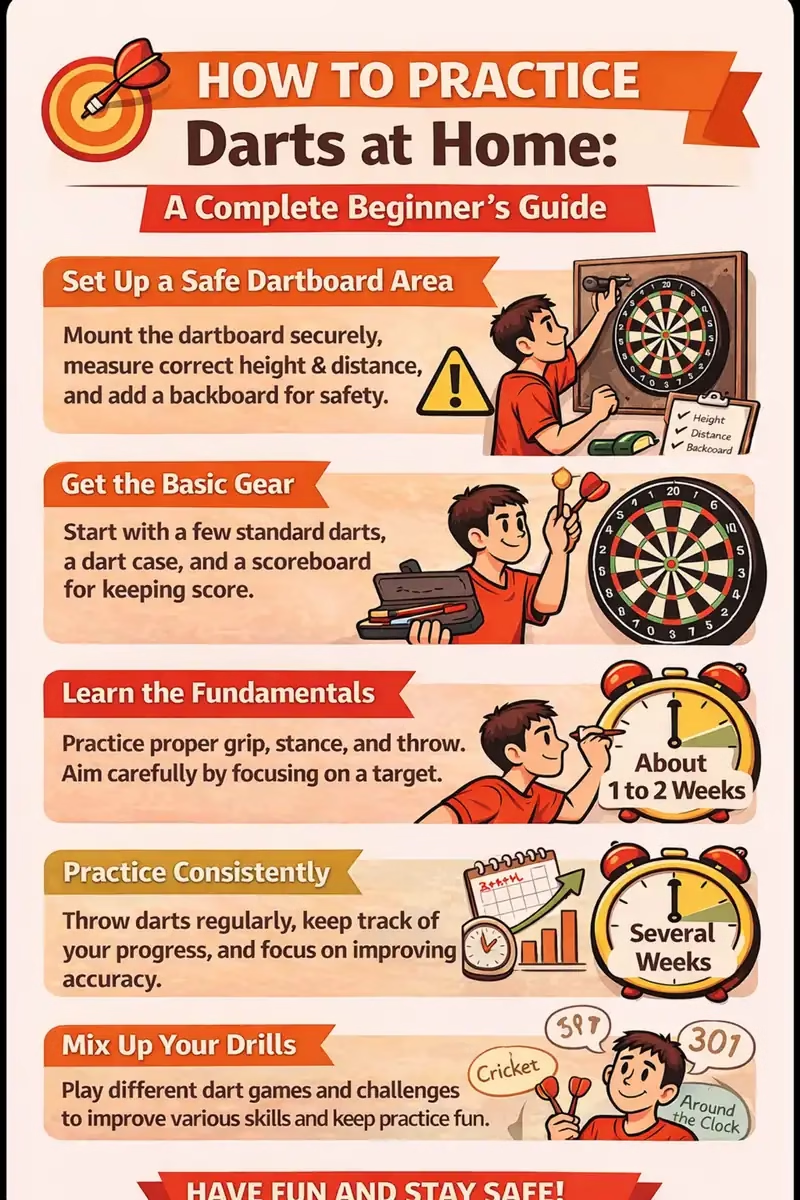
Practicing darts at home is one of the best ways for beginners to improve their accuracy, confidence, and overall enjoyment of the game. Many new players believe they need a pub, club, or competitive environment to get better, but in reality, consistent home practice is more effective than occasional outside play.
When we first started practicing darts at home, progress was slow at the beginning. However, once we followed a structured routine and focused on fundamentals instead of scoring alone, improvement became noticeable within a few weeks. Home practice allows you to work at your own pace without pressure, which is ideal for beginners.
This guide explains how to practice darts at home the right way, including setup tips, practice routines, common mistakes, and ways to stay motivated.
🧠 Why Practicing Darts at Home Is So Effective
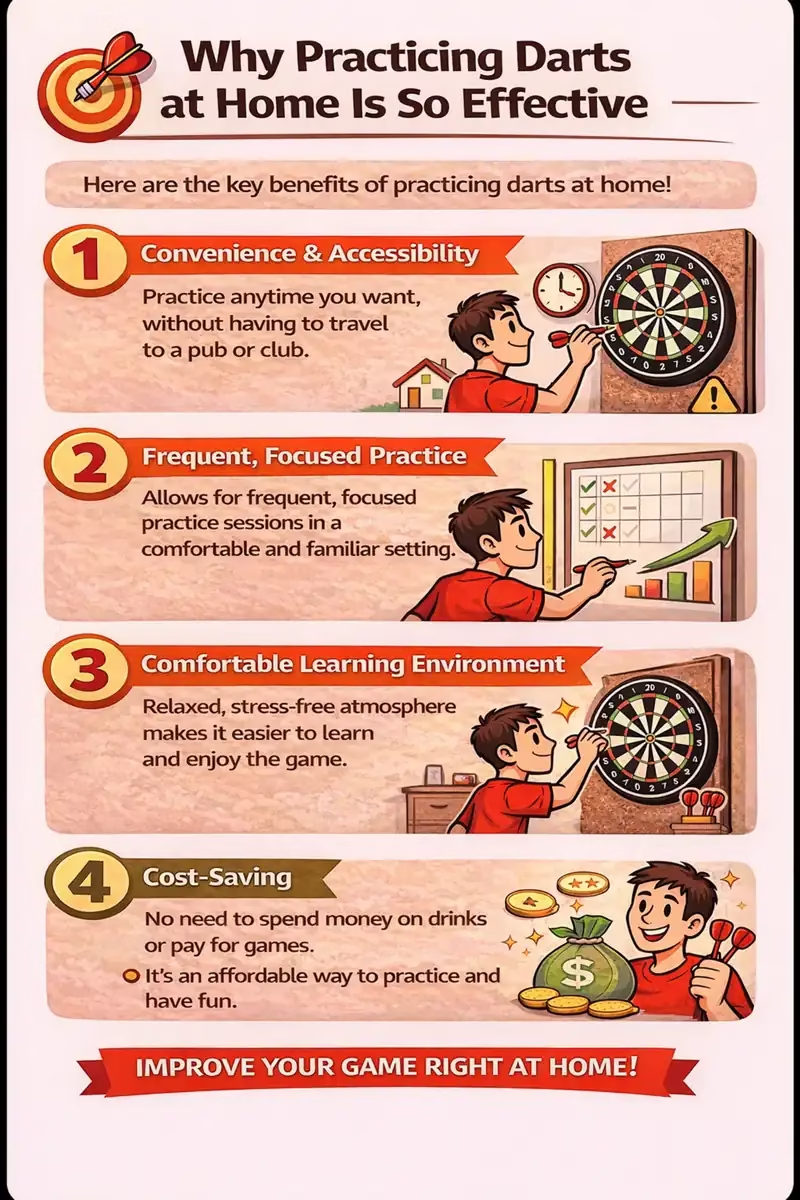
Home practice provides something that casual games often don’t: repetition and consistency. Darts is a game built on muscle memory, and muscle memory only develops through regular, focused practice.
Benefits of practicing at home include:
Practicing without time pressure
Repeating the same drills consistently
Building confidence without distractions
Improving accuracy faster
Even short daily sessions at home can outperform long but irregular practice elsewhere.
🏠 Setting Up a Proper Home Practice Area
Before practicing, it’s important to set up your space correctly.
Dartboard Setup
Mount the dartboard at regulation height
Ensure the throwing distance is correct
Secure the board firmly to prevent movement
A stable setup helps develop consistent throwing mechanics.
💡 Lighting and Visibility
Good lighting is often overlooked but extremely important.
Use focused lighting on the dartboard
Avoid shadows on the bullseye
Make sure the board is clearly visible
Better visibility leads to better accuracy and less eye strain.
🧱 Protecting Your Walls and Floor
Missing the board is normal for beginners.
To protect your space:
Use a dartboard surround
Place a mat under the board
Avoid fragile or narrow areas
This allows you to practice freely without worrying about damage.
🧍 Warm-Up Before Practice (Very Important)
Just like any physical activity, warming up helps prevent tension and poor throws.
Simple Warm-Up Routine
A few relaxed throws without aiming
Focus on smooth motion
Warming up helps your arm move more naturally and reduces stiffness.
🎯 Beginner Dart Practice Drills (Step-by-Step)
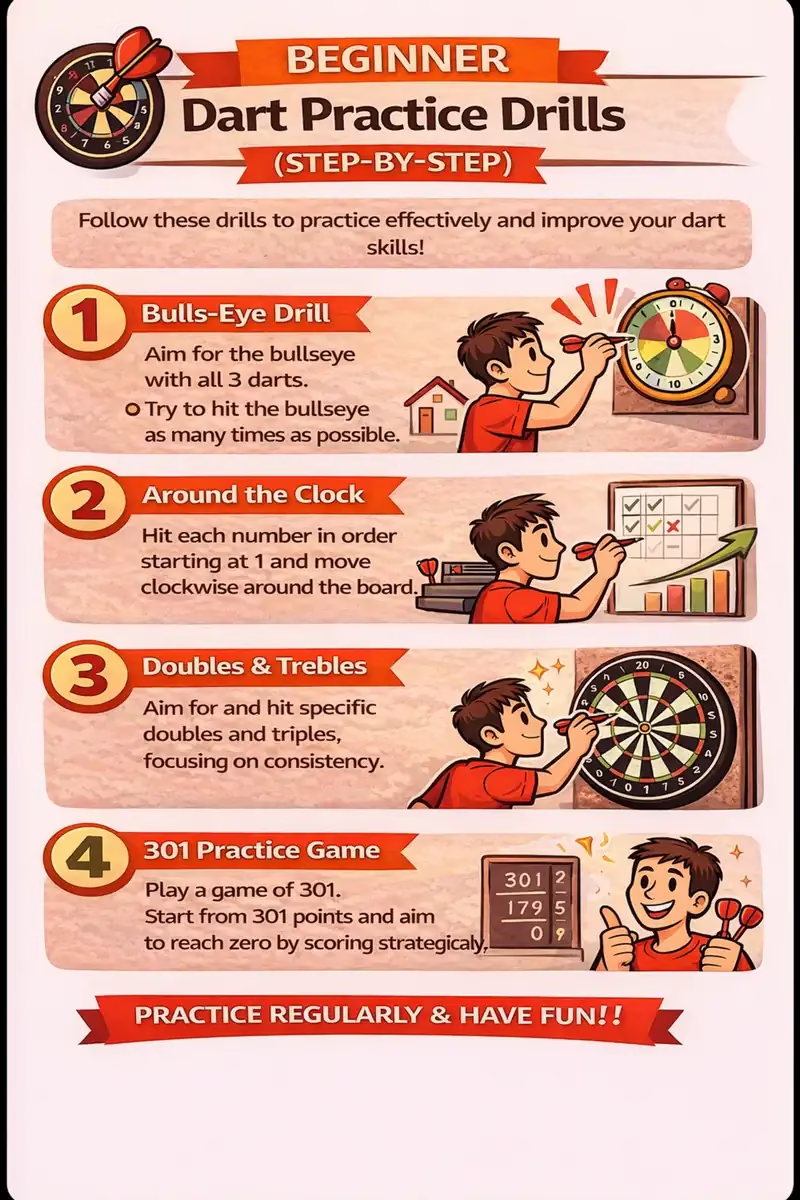
Practicing without a plan often leads to slow improvement. Structured drills help beginners improve faster. These beginner dart practice drills (step-by-step) help new players improve their accuracy faster.
🔄 Drill 1: Bullseye Control Practice
Goal: Improve aim and release control
Throw all darts at the bullseye
Don’t worry about hitting it—focus on grouping
Repeat for 5–10 minutes
This drill builds control and consistency.
🔢 Drill 2: Large Number Accuracy
Goal: Learn board control
Aim for large segments like 20, 19, and 18
Focus on accuracy, not triples
Keep throws smooth and controlled
This helps beginners learn board layout and aim steadily.
⏱️ Drill 3: Timed Practice Sessions
Goal: Build consistency
Practice for 15–20 minutes
Avoid long, exhausting sessions
Stop when focus drops
Short, focused practice is more effective than long sessions.
🎯 Drill 4: Around the Clock
Goal: Improve accuracy across the board
Start at number 1
Hit each number in order
Move on only after hitting the target
This drill teaches precision and patience.
🧠 Focus on Technique, Not Scoring
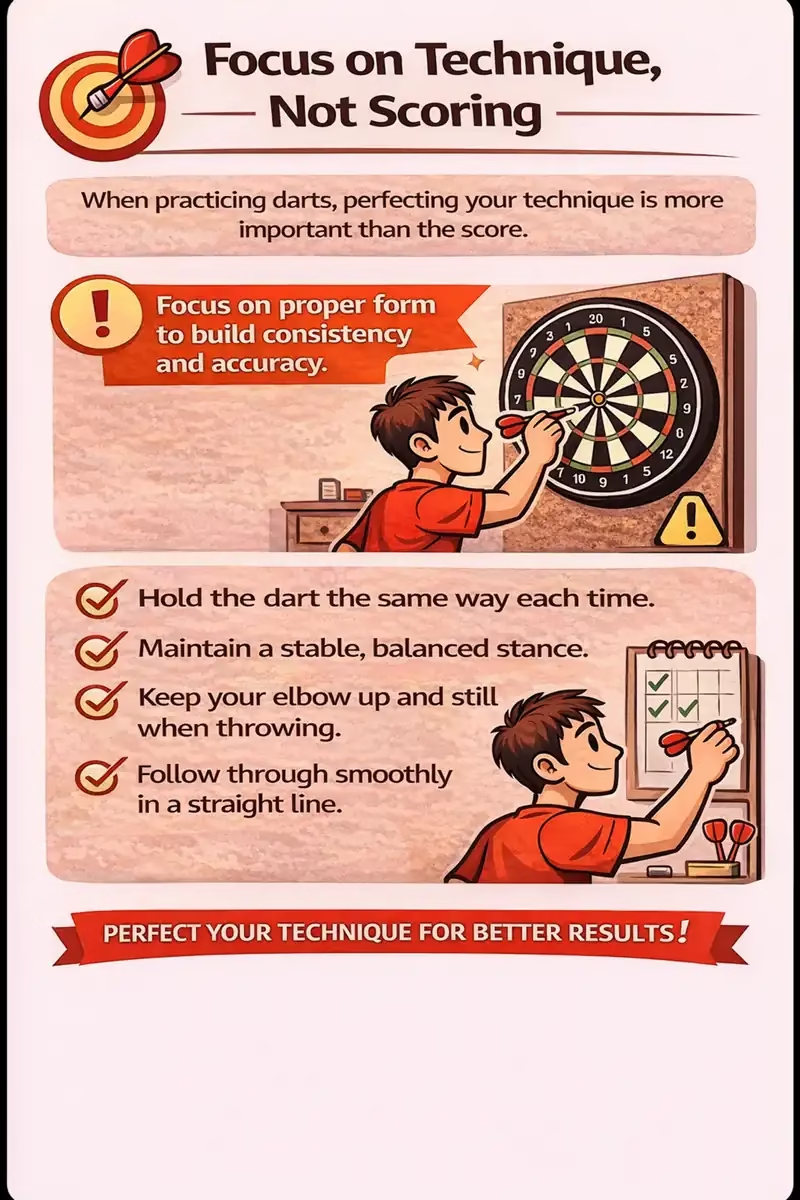
During practice, you must focus on technique rather than points. By not scoring every single throw and instead watching your arm movement, you build better muscle memory.If want dart score calculator.
Good technique naturally leads to better scores over time.
❌ Common Mistakes When Practicing at Home
Practicing Without Structure
Random throwing doesn’t build skills efficiently.
Throwing Too Hard
Accuracy matters more than power.
Changing Technique Too Often
Stick with one technique and refine it.
Skipping Practice Days
Consistency is more important than intensity.
Recognizing these mistakes early helps avoid frustration.
🧠 Mental Approach to Home Practice
Darts is a mental game as much as a physical one.
Mental Practice Tips
Stay calm after misses
Focus on improvement, not perfection
Avoid comparing yourself to others
Take breaks when tired
- If calculate values then dart checkout calculator
A relaxed mindset improves accuracy and enjoyment.
🧰 Equipment Tips for Home Practice
You don’t need expensive equipment to practice effectively.
Beginner Equipment Tips
Use the same darts every session
Choose comfortable dart weight
Replace worn flights and tips
Keep your board in good condition
Familiar equipment builds consistency.
📅 How Often Should Beginners Practice Darts at Home?
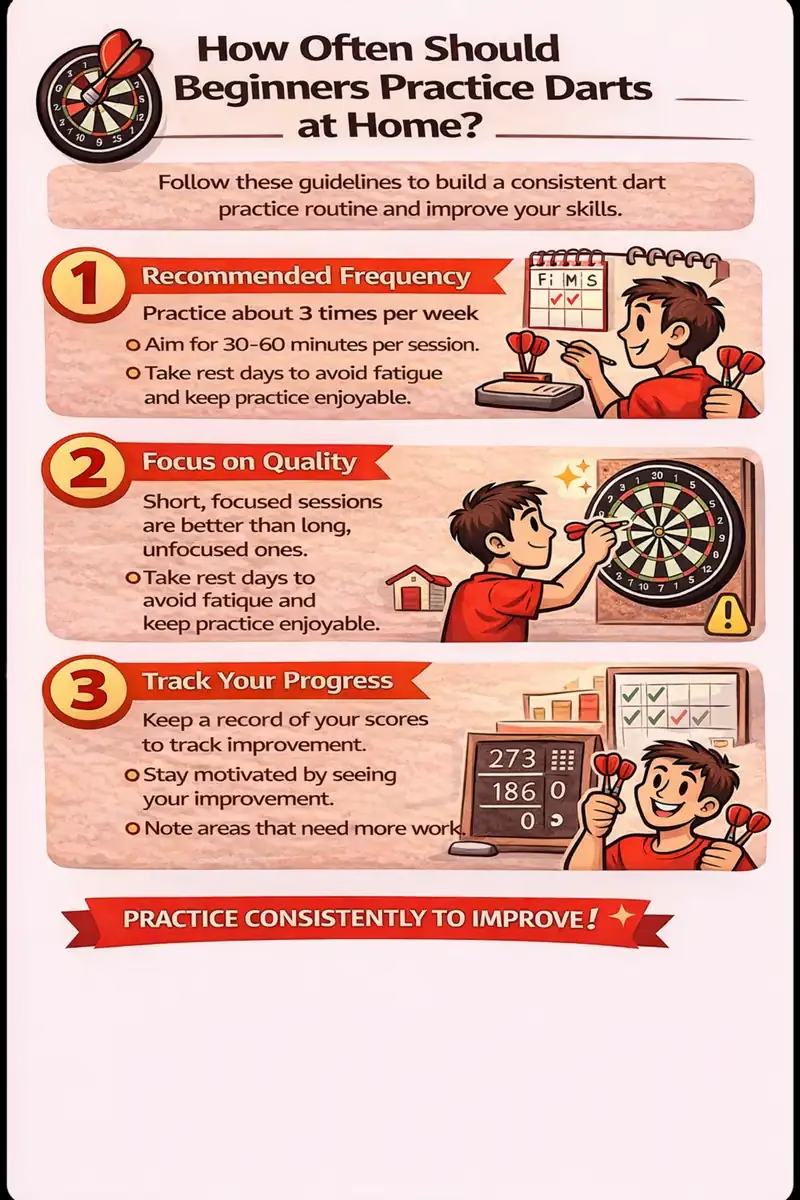
Consistency beats long sessions.
Recommended Practice Schedule
15–30 minutes per day
4–6 days per week
Rest when needed
Even short daily practice sessions produce steady improvement.
📈 Tracking Progress at Home
Tracking progress keeps you motivated.
Simple Progress Tracking Ideas
Count successful hits per session
Track grouping size
Write down small improvements
Seeing progress encourages consistency.
🧠 How Long Does It Take to Improve?
Improvement timelines vary, but most beginners notice progress within a few weeks.
Typical Beginner Progress
Week 1–2: Learning basics
Week 3–4: Better consistency
Month 2+: Improved accuracy
Patience and regular practice are key.
❓ Frequently Asked Questions
Can beginners practice darts at home safely?
Yes, with proper setup and wall protection.
Is practicing alone effective?
Yes, solo practice is very effective for skill building.
Should beginners practice every day?
Yes, short daily sessions are ideal.
Do I need special training tools?
No, basic darts and a board are enough.
🧠 Final Thoughts
Learning how to practice darts at home is one of the best ways for beginners to improve quickly. A proper setup, structured practice routines, and a calm mental approach make a huge difference.
From what we’ve seen, beginners who practice regularly at home develop better habits, gain confidence faster, and enjoy the game more. Improvement doesn’t come from throwing harder—it comes from consistent, focused practice.
Set up your space, follow a routine, and enjoy the process. With time and patience, accuracy and confidence will naturally improve.
🔒 Transparency Notice
This article is for informational purposes only. Results may vary depending on individual practice habits and setup conditions.