How to Mount a Dartboard on Drywall (No Damage Methods)
Quick answer (put this near the top)
If you want the least wall damage, mount your dartboard into a stud (only small screw holes), or use a freestanding dartboard stand for zero holes. When studs are unavailable, heavy-duty drywall anchors provide strong support.(toggle/molly) and tighten everything so the board doesn’t wobble.
Why drywall mounting goes wrong (and how to avoid it)
In simple terms, drywall is basically a hard outer skin over empty space. When people say “my dartboard fell” or “my wall got destroyed,” it’s usually because:
Many people use weak anchors for heavy dartboards/cabinet
The board wasn’t level or was mounted on an unstable point
The wall took repeated vibration because there was no backboard
No-drill adhesives are risky for heavy boards(often unsafe)
The good news: with the right method, you can mount a dartboard securely and still keep wall damage minimal.
Before you mount: pick the right “damage level”
Choose the method that matches your situation:
Option A is a freestanding dartboard stand (true no damage)
Best for: renters, apartments, “no holes allowed”
Wall damage: none
Downside: uses floor space, must be stable
Option B involves screwing into a stud (minimal damage, strongest)
Best for: anyone who can make 1–2 small holes
Wall damage: tiny (easy to fill later)
Strong and stable
Option C uses heavy-duty drywall anchors (when stud isn’t possible)
Best for: when studs are not where you need them
Wall damage: more than a stud screw (still repairable)
Must use the right anchor type
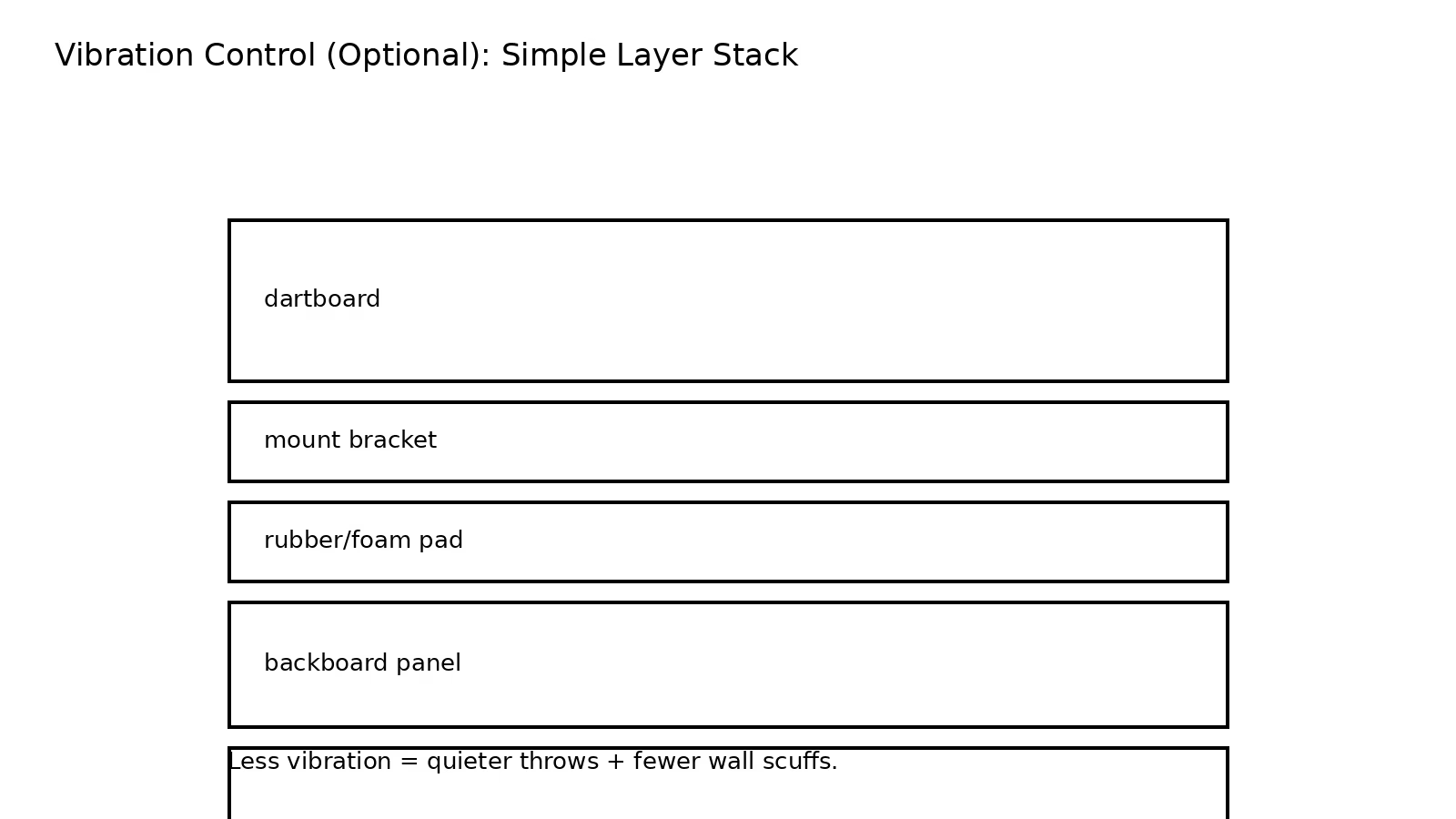
Option D adds a backboard panel for stability (low damage + quieter)
Best for: people who want less noise/vibration + clean look
Wall damage: small screw holes (in studs)
Very stable and “apartment-friendly” for noise
Tools & hardware checklist
Insert image: mount-dartboard-drywall-tools-checklist.webp
You’ll typically need:
A Stud finder (recommended)
Tape measure
Pencil + painter’s tape (for clean markings)
Level
Drill/driver + bits
Dartboard mounting bracket (often included)
Screws (for studs) or heavy-duty drywall anchors
Optional: backboard panel (plywood/MDF), foam/rubber pad for vibration
Safety note: A dartboard cabinet or large electronic board can be heavy. If you’re mounting a cabinet, treat it like you’re hanging a big shelf: you want studs or serious anchors.
Step 1 is marking the correct heightand center (don’t skip this)
Even a perfect mount won’t feel right if the board is placed wrong. Here’s the clean process:
Decide the wall spot (make sure you have enough throw distance).
Mark the bullseye height point on the wall.
Use a level to keep your marks straight.
Mark the bracket location based on your dartboard’s mounting point.
Pro tip: Put painter’s tape where you’ll draw lines. It makes cleanup easy and keeps your wall clean.
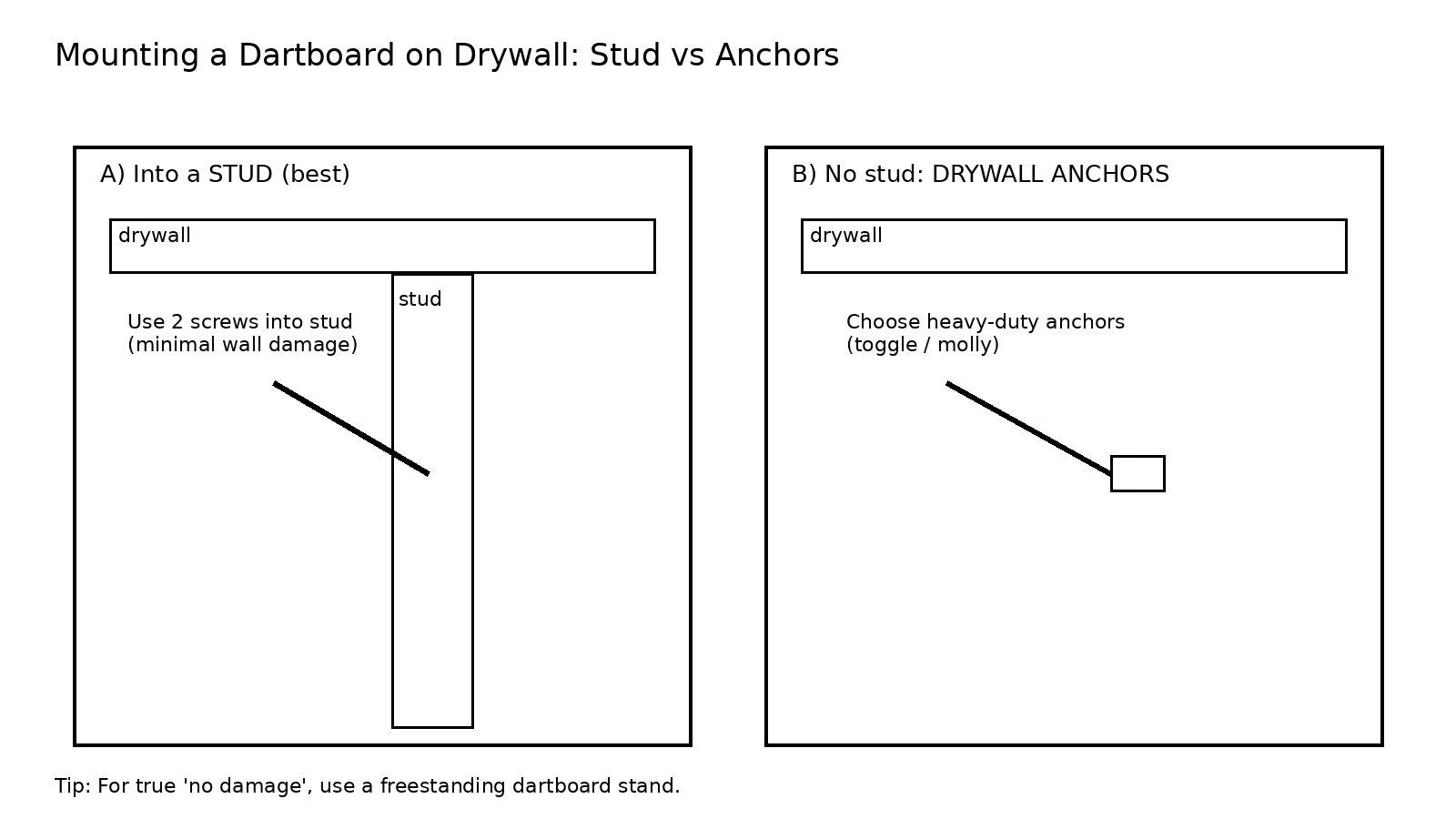
Method 1 (best overall): Mount into a stud (strongest + minimal damage)
Why this method is best
A stud mount is the sweet spot: it’s stable, quiet, and the “damage” is just a couple of small screw holes you can fill in minutes later.
Step-by-step
First,find the stud near your desired center point using a stud finder.
Next,confirm by tapping (stud areas sound more solid).
After that hold the mounting bracket where it needs to be and level it.
Then pre-drill a small pilot hole (helps prevent splitting and makes the screw bite clean).
Finally,drive the screws firmly (don’t over-tighten and crush drywall).
Hang the dartboard and test for wobble.
Stability test
Grab the board at 3 and 9 o’clock and gently rock it. If it moves:
tighten the screws a bit
make sure the bracket is flat against the wall
check that the board’s back mounting point is seated correctly
Method 2: Heavy-duty drywall anchors (when studs aren’t available)
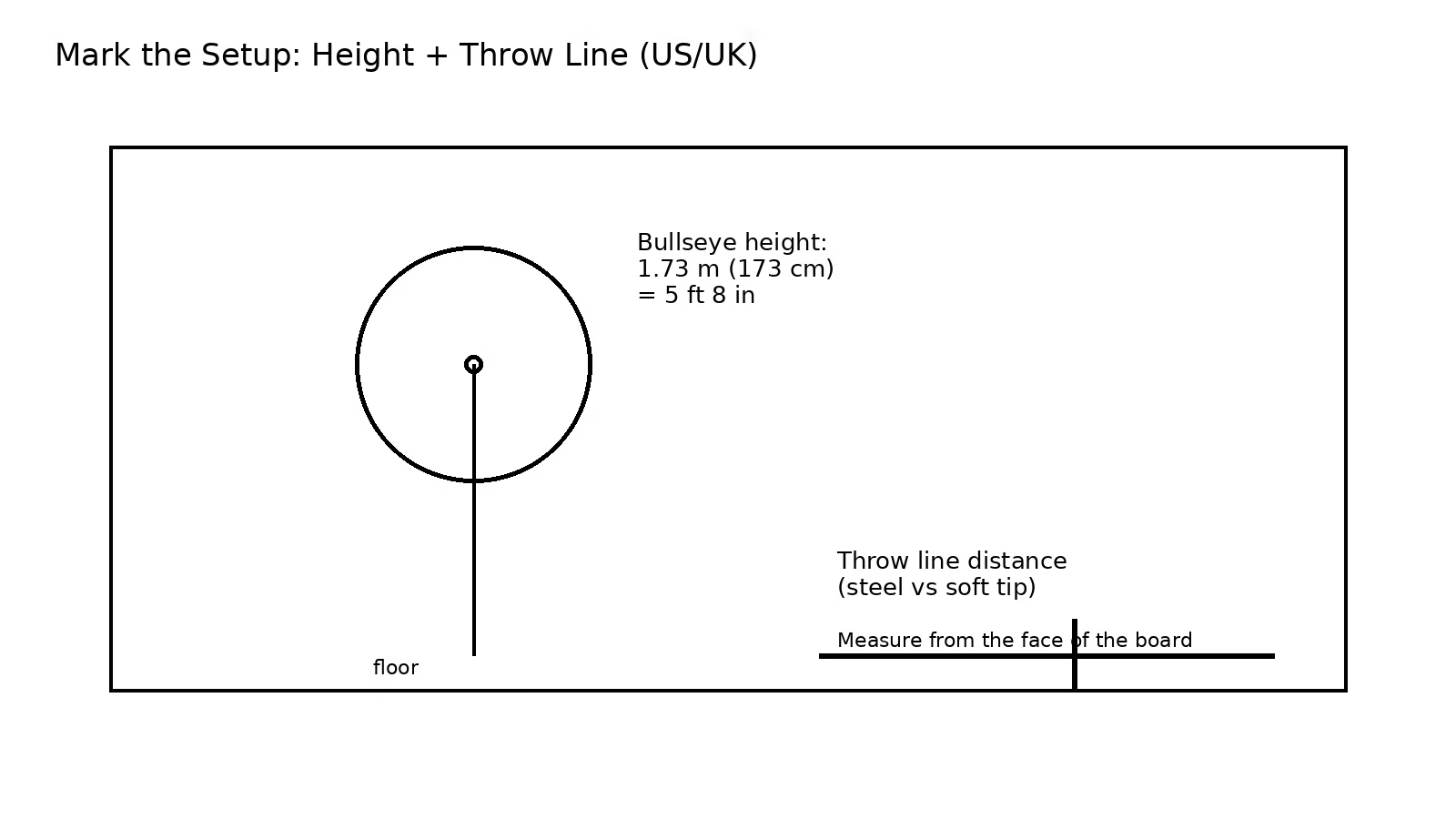
This is your second-best option. The key is using the right anchors.
Which anchors work best?
Toggle bolts: very strong, great for heavier loads
Molly bolts: strong and reliable when installed correctly
Avoid: cheap, small plastic expansion anchors for anything heavy
Step-by-step
Mark bracket holes (use a level).
Drill the correct size hole for your chosen anchor (read the packaging).
Install anchors properly (toggles must open behind the drywall).
Mount the bracket and tighten until snug (do not crush drywall).
Hang the board and do the wobble test.
Quick rule
If you’re mounting an electronic dartboard or cabinet, anchors must be heavy duty, and you should strongly consider Method 3 (backboard into studs) instead.
Method 3 (quiet + clean): Backboard panel into studs, then mount the board to the panel
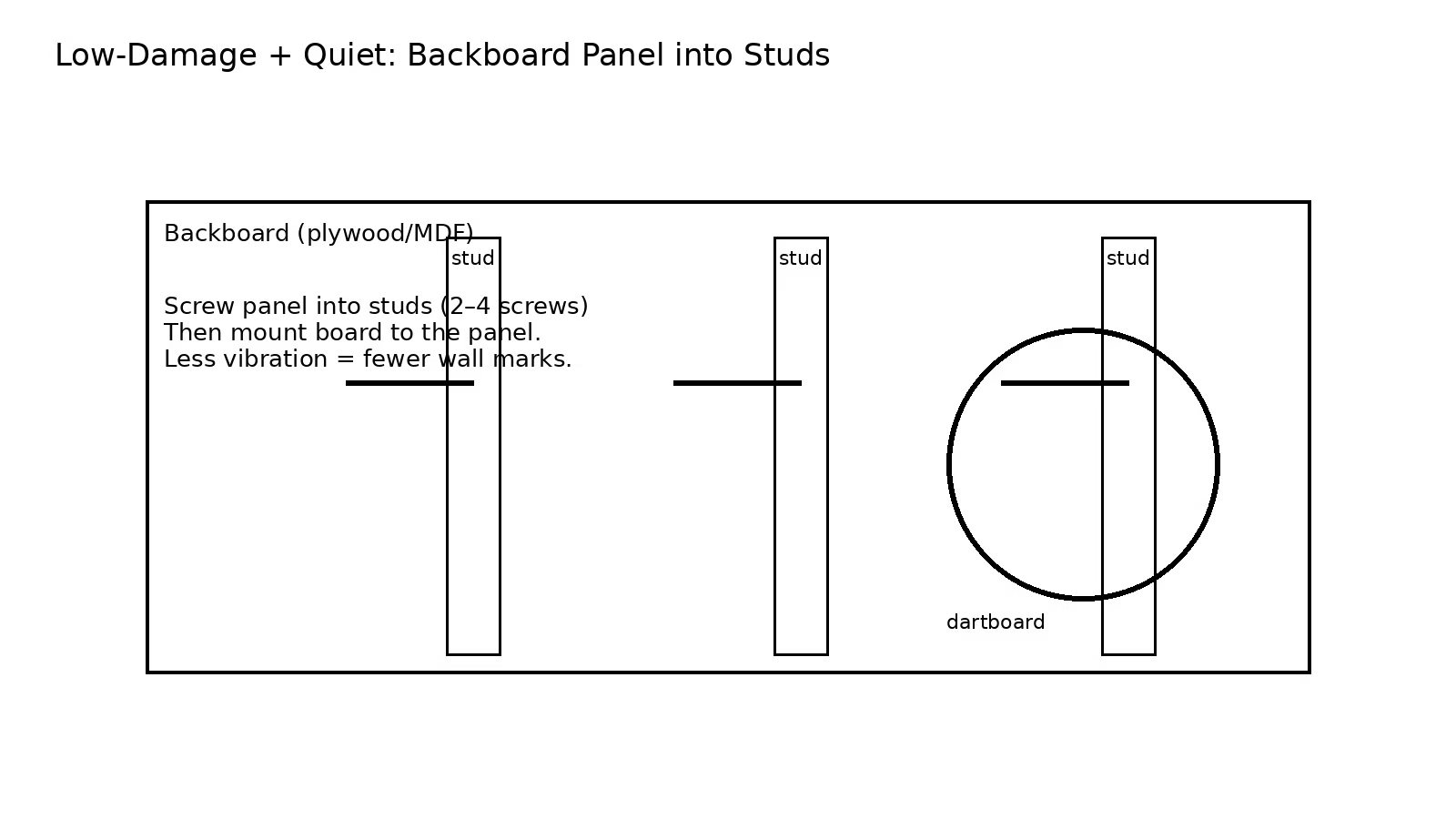
This is an underrated method for apartments because it reduces vibration and can protect your wall from scuffs.
What you need
A panel (plywood or MDF) big enough to sit behind the dartboard
2–4 screws into studs
Optional thin rubber/foam sheet between wall and panel
Steps
Cut your panel size (or buy a ready panel).
Find studs and mark them.
Screw the panel into studs (level it).
Mount dartboard bracket onto the panel.
Hang the board.
Why it works
The panel spreads impact vibrations over a larger surface and helps prevent “micro-movement” that loosens mounts over time.
Method 4 (true zero holes): Freestanding dartboard stand
Insert image: mount-dartboard-drywall-freestanding-stand.webp
For renters or frequent movers, a freestanding dartboard stand offers the cleanest solution.
Stand checklist (what to look for)
Wide base or tripod with anti-slip feet
Adjustable height
Secure board mount
Weight/stability rating
Setup tips
Place it on a flat surface (not thick carpet if possible).
If the stand wobbles, adding a non-slip mat underneath can improve stability.
Keep it away from high traffic areas to avoid bumps.
Make it quieter and reduce wall marks (optional upgrades)
If noise matters (apartment / shared walls), try:
Backboard panel (Method 3)
Rubber/foam pad between mount and wall/backboard
Tighten everything so nothing vibrates
Use a dartboard surround to protect the wall from misses
Common mistakes (avoid these)
Using weak anchors for heavy boards/cabinets
Skipping the level (board ends up crooked)
Mounting too loosely (wobble causes damage + bounce-outs)
Over-tightening (crushes drywall and weakens the hold)
Relying on “no drill” adhesive hooks for a heavy dartboard
Quick FAQ
Can I mount a dartboard on drywall without drilling?
The only truly drill-free method is a freestanding stand. Adhesive-only methods are risky for heavy boards and can fail over time.
What’s the safest method for renters?
A freestanding stand (zero holes) or a stud mount (tiny holes you can fill later).
How do I repair tiny holes later?
Use spackle, let it dry, sand lightly, and touch up paint. Stud-mounted screw holes are usually easy to patch.