Dartboard Height and Distance (Beginner Guide)
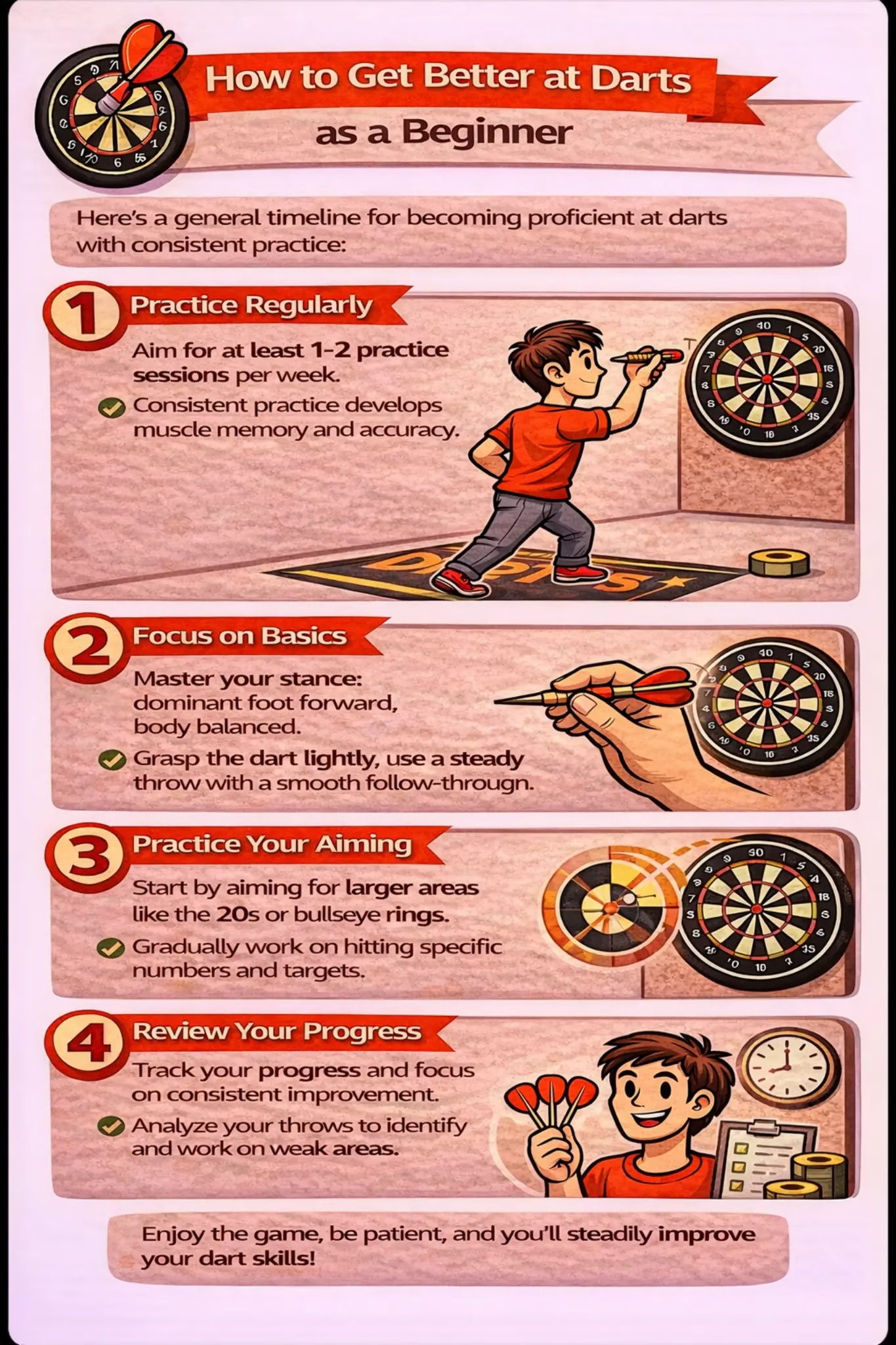
If you’re new to darts, it’s completely normal to feel overwhelmed at first. Many beginners struggle with accuracy, consistency, and understanding the game beyond simply throwing darts at a board. The good news is that darts is a skill-based game, and with the right approach, anyone can improve steadily over time.
When we first started practicing darts at home, we noticed that progress didn’t come from throwing harder or faster—it came from learning the basics properly. Small adjustments in stance, grip, and practice routines made a much bigger difference than buying expensive equipment.
This guide is designed to help beginners understand how to improve at darts step by step. Whether you’re playing casually at home or aiming to compete in local leagues, the techniques and tips below will help you build a strong foundation and enjoy the game more.The details of home dartboard setup is here.
🧠 Understanding the Basics of Darts
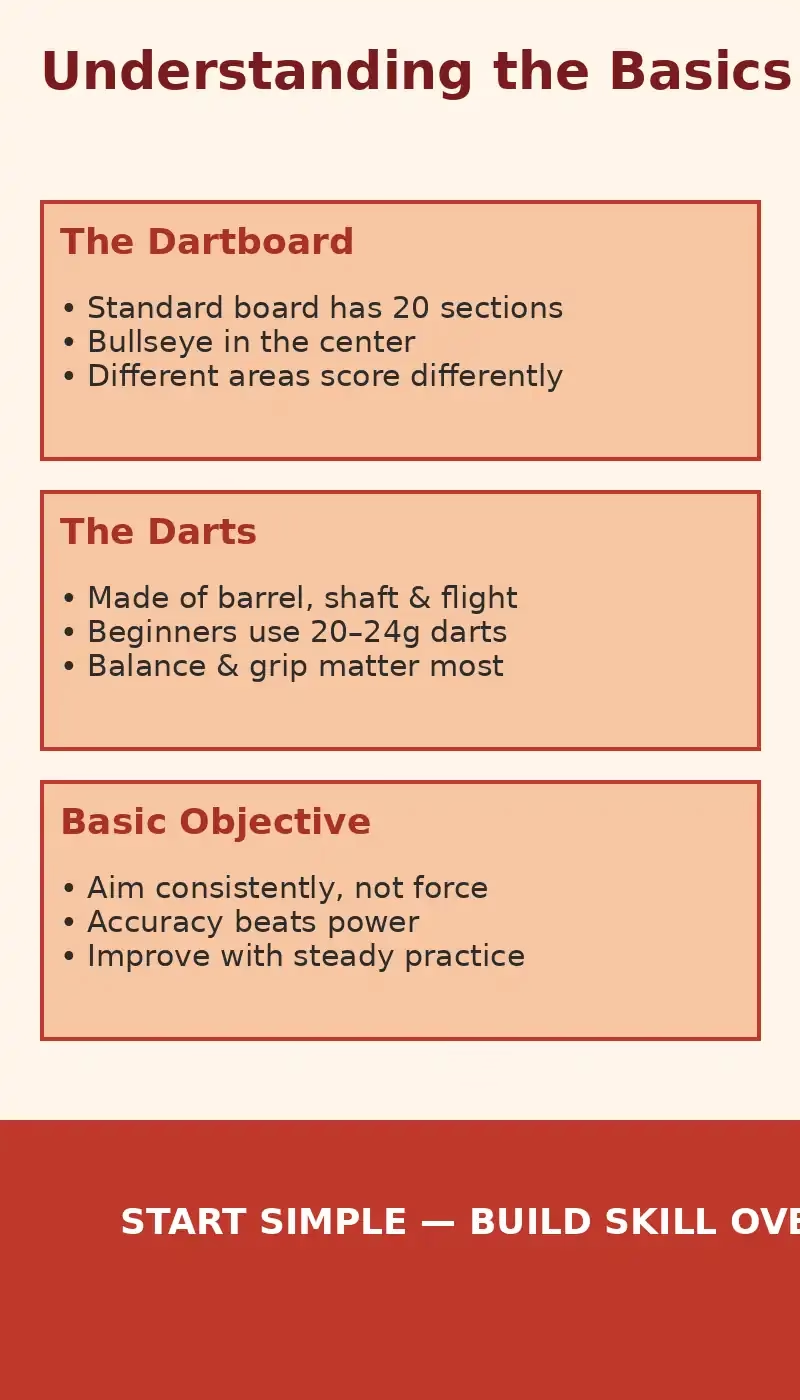
Before focusing on improvement, it’s important to understand what darts actually requires. Darts is not about strength—it’s about control, repetition, and focus.
Three core elements define good dart play:
Consistent throwing motion
Proper stance and balance
Mental concentration
Beginners often underestimate how important fundamentals are. Skipping these basics usually leads to frustration and slow progress.Also dartboard height for beginners is below
🧍 Proper Stance: Building a Stable Foundation
Your stance is the starting point of every throw. A stable stance allows your arm to move freely without unnecessary body movement.
Beginner Stance Tips
Stand sideways to the board (dominant foot forward)
Keep your weight balanced, slightly leaning forward
Avoid shifting your feet while throwing
Stay relaxed—tension reduces accuracy
When we first practiced, simply adjusting our stance improved accuracy almost immediately. Stability creates consistency, and consistency leads to improvement.
✋ How to Hold a Dart Correctly
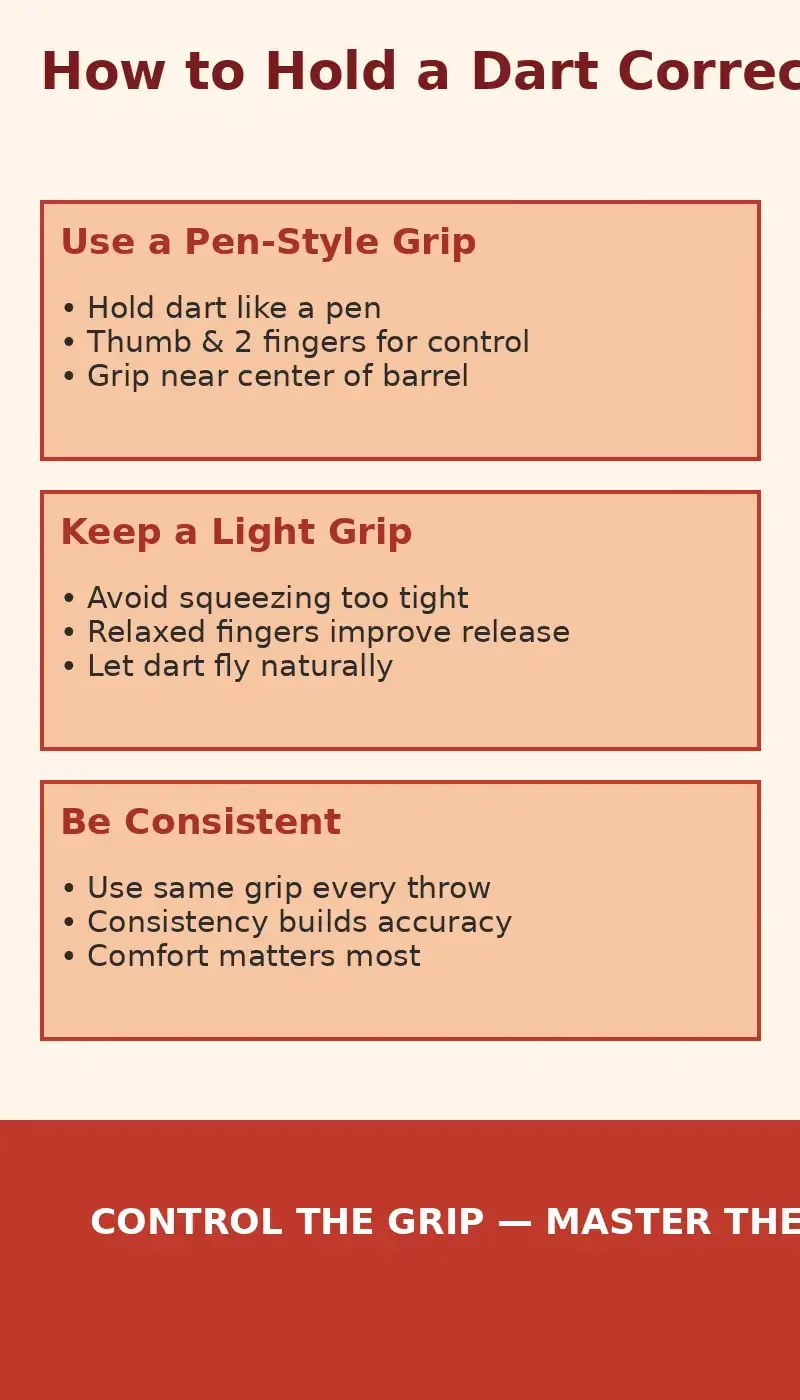
Grip is one of the most personal aspects of darts, but beginners should start simple.
Basic Grip Guidelines
Hold the dart lightly (don’t squeeze)
Use 3–4 fingers
Keep the dart level
Let the barrel rest naturally in your fingers
A tight grip causes jerky throws, while a relaxed grip allows smoother release.
🎯 Aiming and Focus Techniques
Aiming in darts is more about muscle memory than eyesight. Beginners often overthink where to aim instead of focusing on repeating the same motion.
Helpful Aiming Tips
Pick a small target (not the whole board)
Keep your eyes on the target, not your dart
Avoid moving your head during the throw
Focus on rhythm, not speed
Consistent aiming comes from repetition, not force.
🔄 Developing a Consistent Throw
A consistent throwing motion is the most important skill in darts.
Key Throwing Elements
Smooth backward motion
Controlled forward release
Follow through toward the target
Same motion every time
One mistake beginners make is changing their throw too often. Stick with one motion and refine it gradually.
🕒 Practice Routines That Actually Work
Practicing without structure can slow progress. Beginners improve faster with short, focused sessions.
Simple Beginner Practice Routine
Warm up for 5 minutes
Throw at the bullseye for control
Practice hitting large segments (20, 19, 18)
Finish with a simple scoring game
Practicing 15–30 minutes daily is more effective than long, irregular sessions.
🎲 Understanding Scoring and Game Rules
Learning how scoring works helps beginners feel more confident during games.
Basic Dartboard Scoring
Outer ring = double
Inner ring = triple
Bullseye = 50 points
Outer bull = 25 points
Start with simple games like 301 or Around the Clock to learn scoring naturally.
🧩 Common Beginner Mistakes (And How to Fix Them)
❌ Throwing Too Hard
Accuracy suffers when power increases. Focus on control instead.
❌ Changing Technique Constantly
Stick to one style long enough to improve it.
❌ Ignoring Setup
Incorrect board height or distance affects progress.
Perfect dartboard setup is very important.
❌ Practicing Without Goals
Always practice with a purpose.
Recognizing these mistakes early saves time and frustration.
🧰 Equipment Tips for Beginners
You don’t need expensive gear to improve, but having the right basics helps.
Beginner Equipment Advice
Use standard-weight darts (22–24g)
Choose a regulation-size dartboard
Ensure proper lighting
Protect walls with a mat or surround
Skill development matters more than equipment upgrades at this stage.
🧠 Mental Focus and Confidence
Darts is as much a mental game as a physical one.
Mental Tips for Beginners
Don’t get frustrated by misses
Track improvement, not perfection
Take breaks when tired
Enjoy the process
Confidence grows naturally as skill improves.
📅 How Long Does It Take to Get Good at Darts?
Progress varies, but most beginners notice improvement within a few weeks of regular practice.
Typical Beginner Timeline
Week 1–2: Learning basics
Week 3–4: Improved consistency
Month 2+: Better accuracy and scoring
Patience is key—improvement comes with repetition.
❓ Frequently Asked Questions
How often should beginners practice darts?
15–30 minutes a day is ideal.
Is darts hard to learn?
The basics are easy, but mastery takes time.
Should beginners focus on scoring or accuracy?
Accuracy comes first—scoring follows naturally.
Can you improve darts without playing competitively?
Yes. Home practice alone can lead to strong improvement.
🧠 Final Thoughts
Getting better at darts doesn’t require talent or expensive equipment—it requires consistent practice, patience, and understanding the fundamentals. Beginners who focus on proper technique, structured practice, and mental control improve faster and enjoy the game more.
From what we’ve seen, players who take the time to learn the basics correctly build confidence quickly and stick with the game longer. Whether your goal is casual fun or competitive play, darts rewards effort and consistency.
So take your time, practice regularly, and most importantly—enjoy every throw.
🔒 Transparency Notice
This article is intended for informational purposes only. Experiences and results may vary based on practice habits and individual skill levels.