Dart Games and Rules / Dartboard Games
Dart Games and Rules: A Complete Guide to Dartboard Games for Every Player
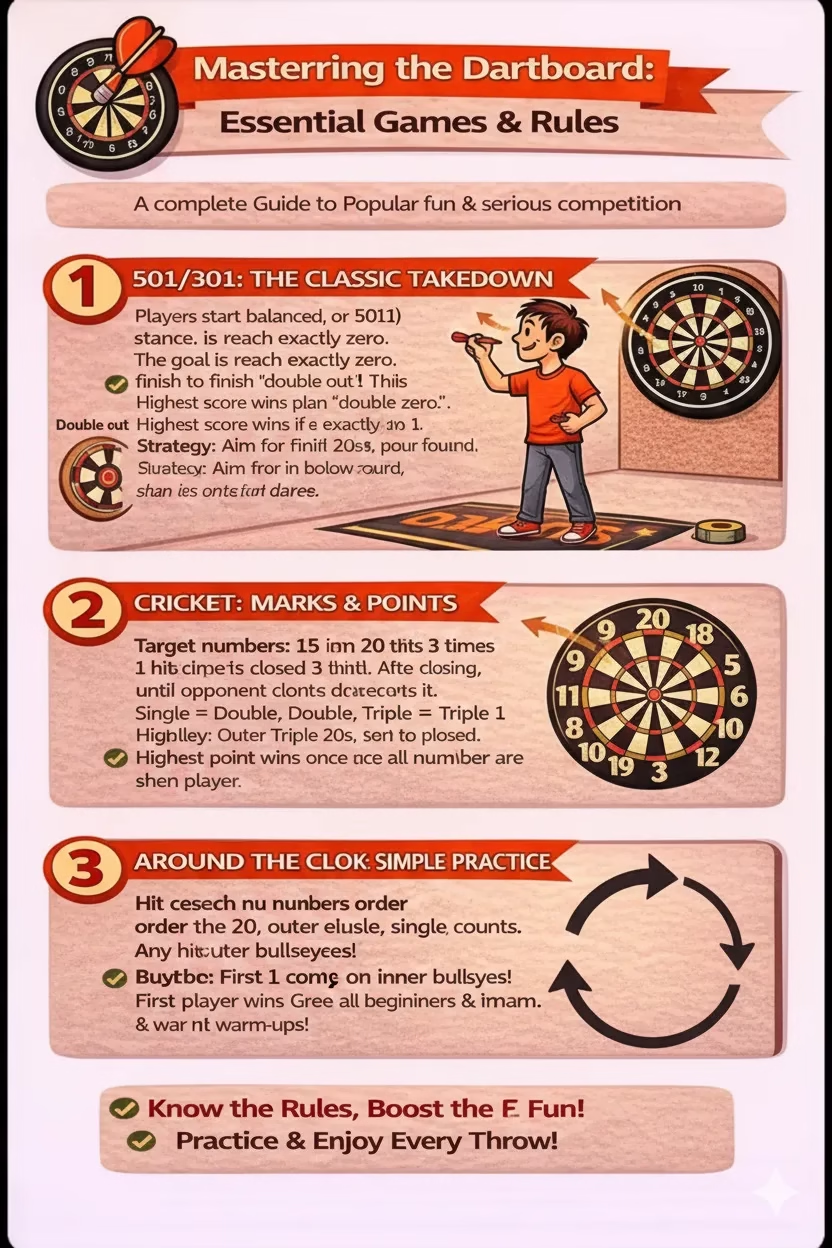
Darts is one of those games that looks simple until you start playing it seriously. A board on the wall, three darts in your hand, and a target that rewards precision more than power. Yet behind that simplicity is a rich collection of games, rules, and traditions that have evolved over generations.
Whether you are playing casually at home, practicing for competition, or trying to understand professional matches, knowing dart games and their rules makes a huge difference. This guide explains the most popular dartboard games, how they are played, and why each one exists. No shortcuts, no confusion, just clear rules written for real players.
Understanding the Dartboard Before Playing
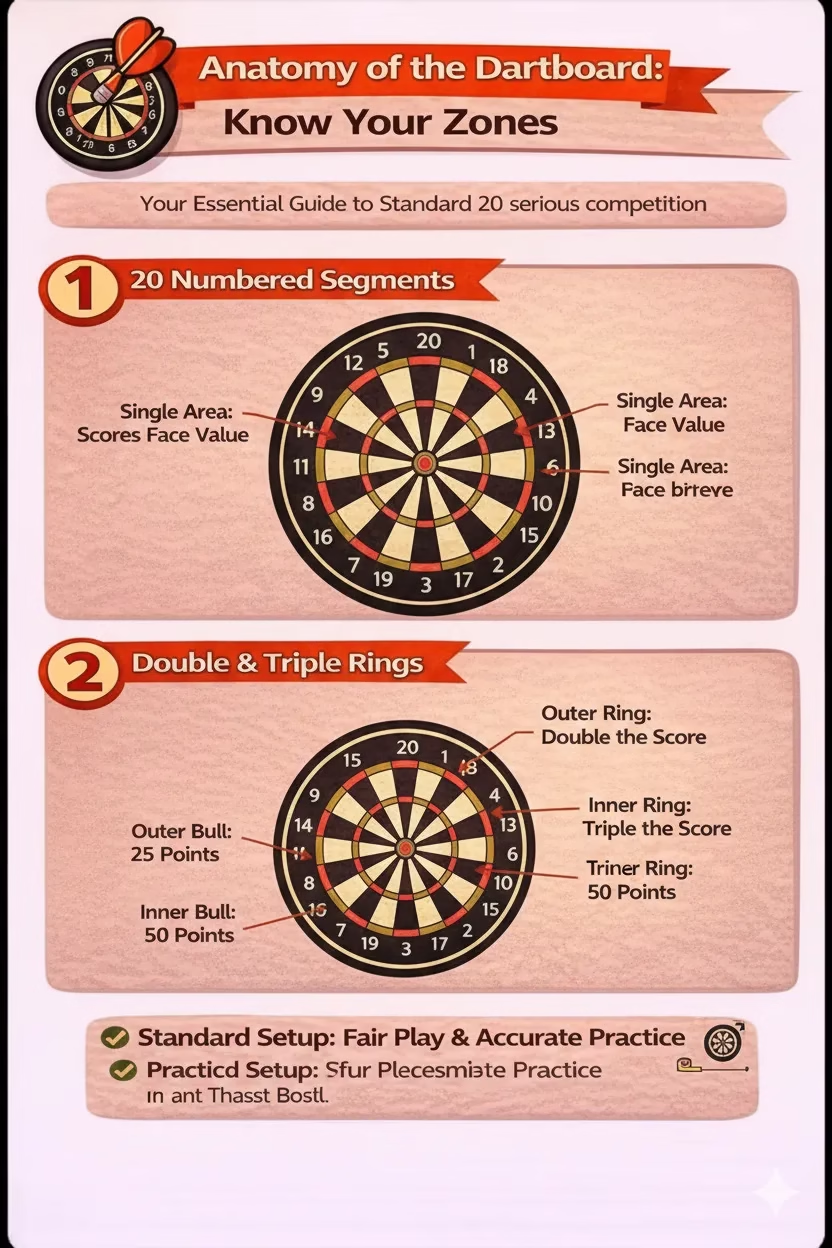
Before diving into games, it helps to understand the dartboard itself. Most dartboard games are played on a standard board with 20 numbered segments. Each number has three scoring areas: single, double, and triple.
Single area scores the face value of the number
Double ring scores double the number
Triple ring scores triple the number
Outer bull scores 25 points
Inner bull scores 50 points
- Here is dart scoring tool.
The board height and throwing distance are standardized in most rule sets. Consistent setup ensures fair play and accurate practice.
The Basics of Dart Throwing Rules
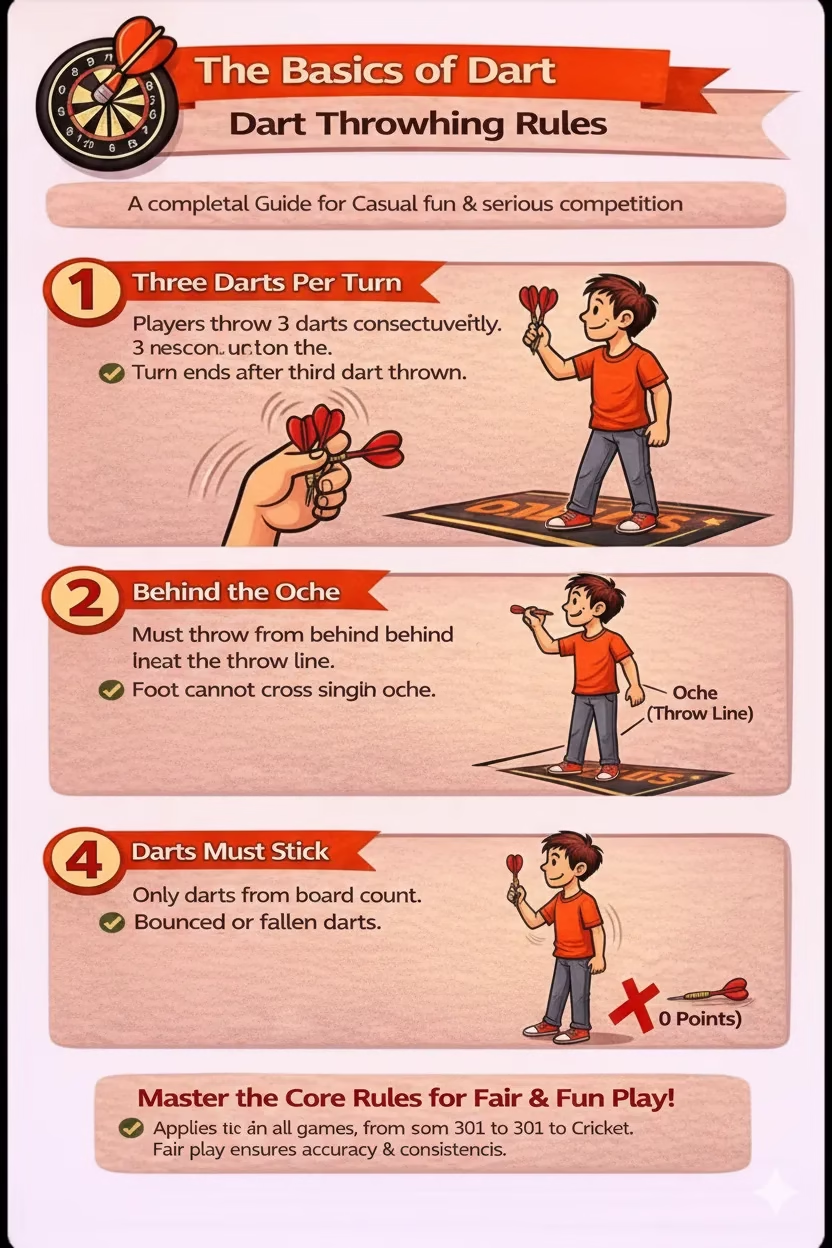
Most dart games follow a few universal rules:
Each player throws three darts per turn
Darts must be thrown from behind the oche (throw line)
Only darts that remain in the board count
Bounced or fallen darts score zero
The game continues in turns until a winning condition is met
- Also added darts skin games.
These core rules apply whether you are playing casually or in competitive environments.
501 Darts: The Most Popular Dart Game
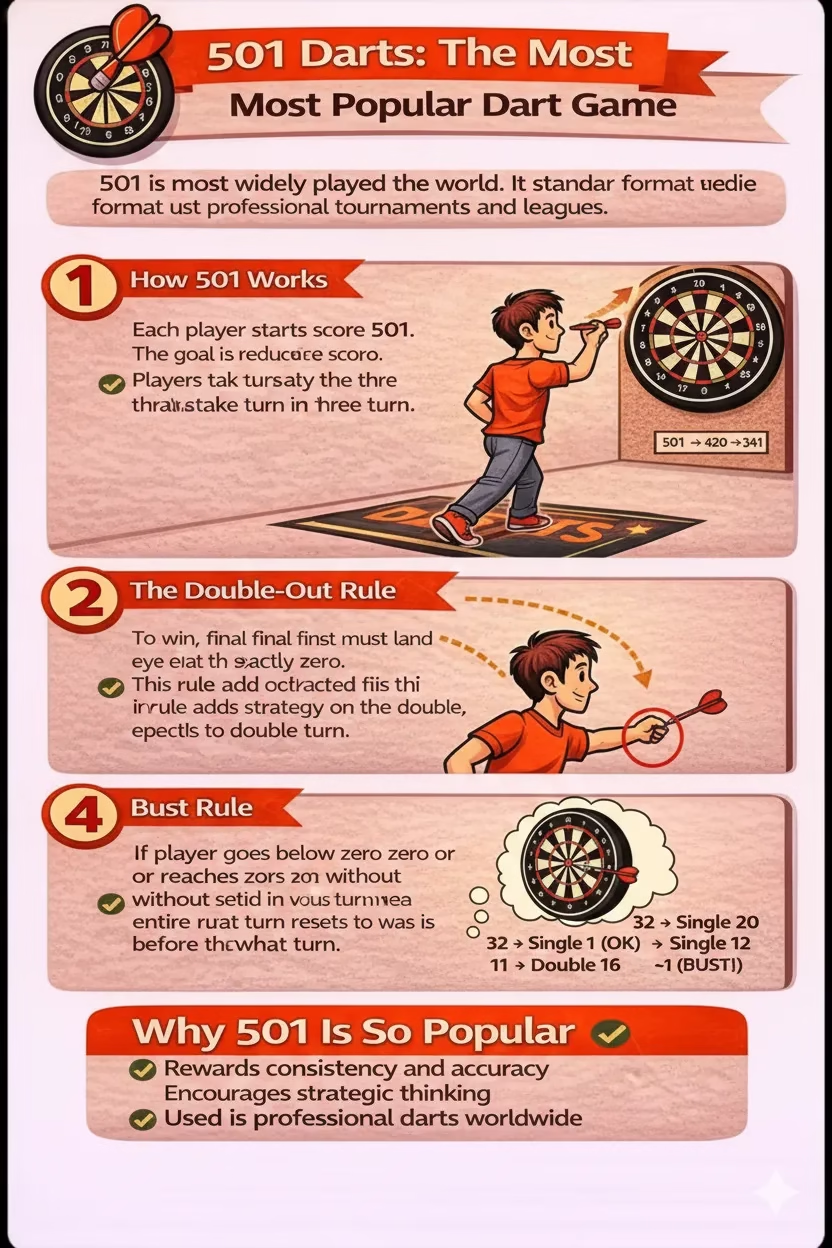
501 is the most widely played dart game in the world. It is the standard format used in professional tournaments and leagues.
How 501 Works
Each player starts with a score of 501. The goal is to reduce your score to exactly zero.
Players take turns throwing three darts. The score from each turn is subtracted from the player’s total.
The Double-Out Rule
To win, the final dart must land in a double or the bullseye. This rule adds strategy and pressure, especially at the end of the game.
Bust Rule
If a player goes below zero or reaches zero without finishing on a double, the entire turn is void and the score resets to what it was before the turn.
Why 501 Is So Popular
Rewards consistency and accuracy
Encourages strategic thinking
Used in professional darts worldwide
301 Darts: A Faster Version of 501
301 follows the same rules as 501 but starts at a lower score.
Key Differences
Faster games
Often used in casual or beginner play
Can include double-in or straight-in rules
301 is ideal when time is limited or when introducing new players to standard darts scoring.
Cricket: A Strategic Dartboard Game
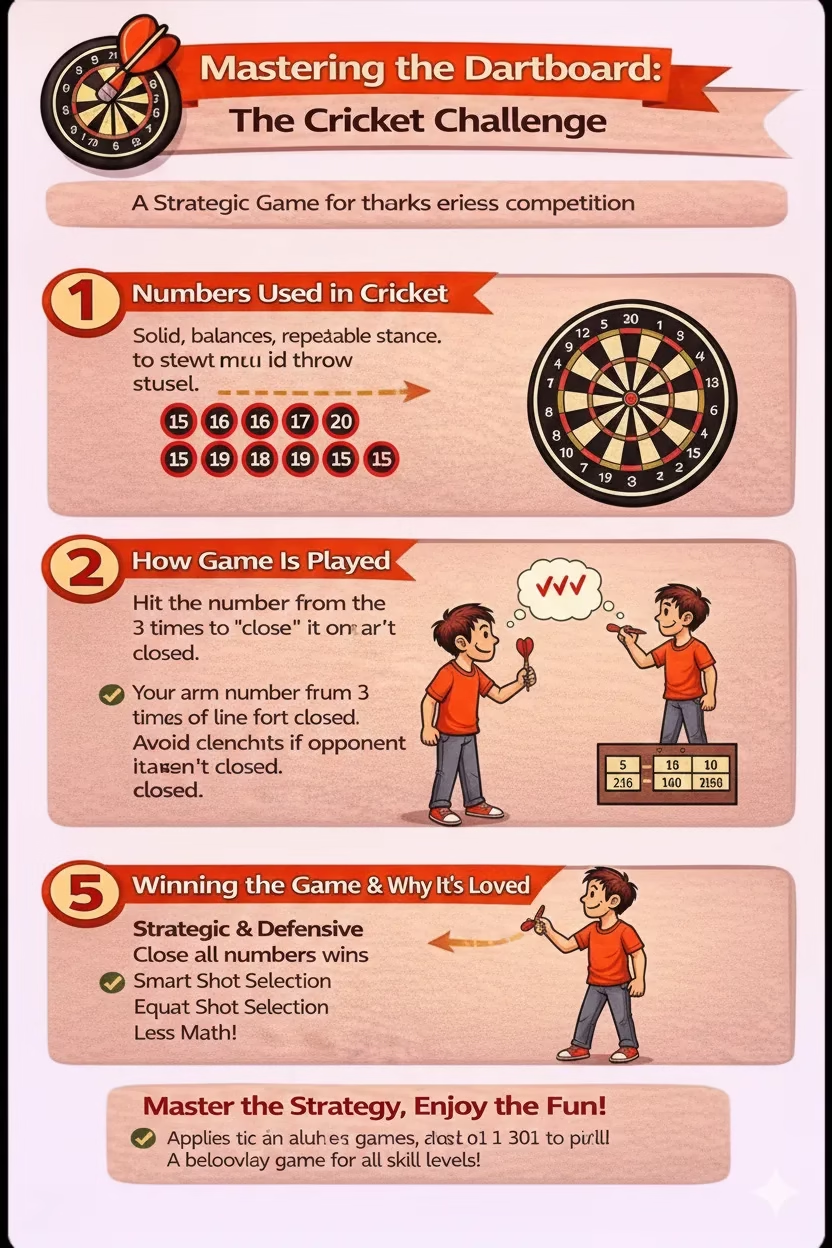
Cricket is one of the most popular dart games in North America. It focuses on target control rather than point totals.
Numbers Used in Cricket
Players aim for:
15, 16, 17, 18, 19, 20
Bullseye
How Cricket Is Played
Each number must be hit three times to be “closed.” Extra hits score points only if the opponent has not closed that number.
Winning the Game
A player wins by closing all numbers and having an equal or higher score than the opponent.
Why Players Love Cricket
Strategic and defensive
Rewards smart shot selection
Less math than 501
Cut Throat Cricket
Cut Throat Cricket is a variation of standard Cricket, often played with three or more players.
How It Works
Closing a number stops you from scoring on it
Points scored are added to opponents who have not closed the number
The goal is to finish with the lowest score
This version adds chaos and fun, making it perfect for group play.
Around the Clock (Around the World)
Around the Clock is one of the best games for beginners.
Rules
Players must hit numbers 1 through 20 in order. Some variations require doubles or triples only.
Winning Condition
The first player to reach 20 wins.
Why It’s Great for Practice
Improves accuracy
Encourages controlled throwing
Simple to understand
Shanghai
Shanghai combines order and scoring in an interesting way.
How Shanghai Is Played
Each round focuses on one number. Players try to hit the single, double, and triple of that number in the same round.
Shanghai Win
If a player hits all three in one turn, it’s called a Shanghai and often results in an instant win.
This game balances risk and reward and is popular in casual settings.
Killer Darts
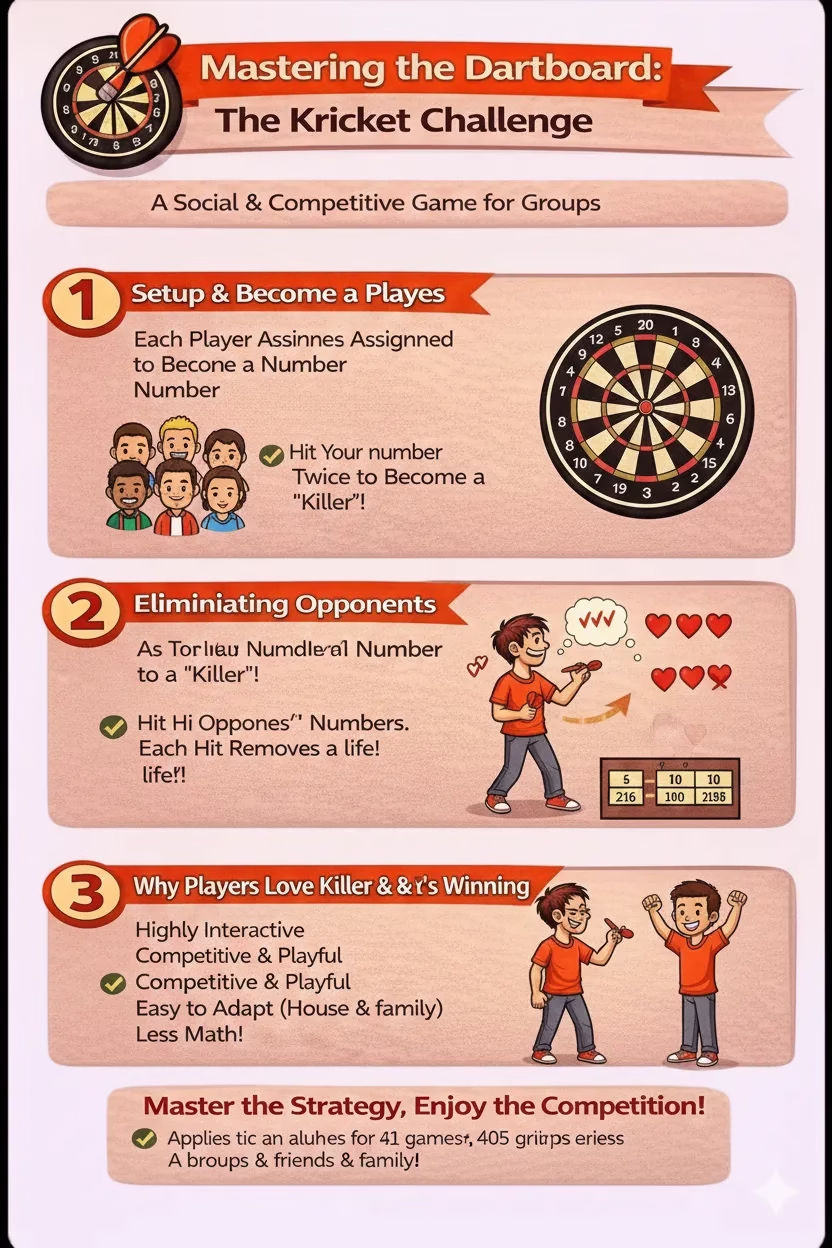
Killer is a social dart game best played with multiple players.
Setup
Each player is assigned a number on the board.
Becoming a Killer
Players must hit their own number twice to become a killer.
Eliminating Opponents
Once a killer, you score by hitting other players’ numbers. Each hit removes a life.
Why Killer Is Fun
Highly interactive
Competitive and playful
Easy to adapt to house rules
Count Up
Count Up is simple and ideal for beginners or children.
Rules
Set a fixed number of rounds
Each dart scores its face value
Highest total score wins
This game focuses on basic throwing and scoring without complicated rules.
9-Dart Shootout
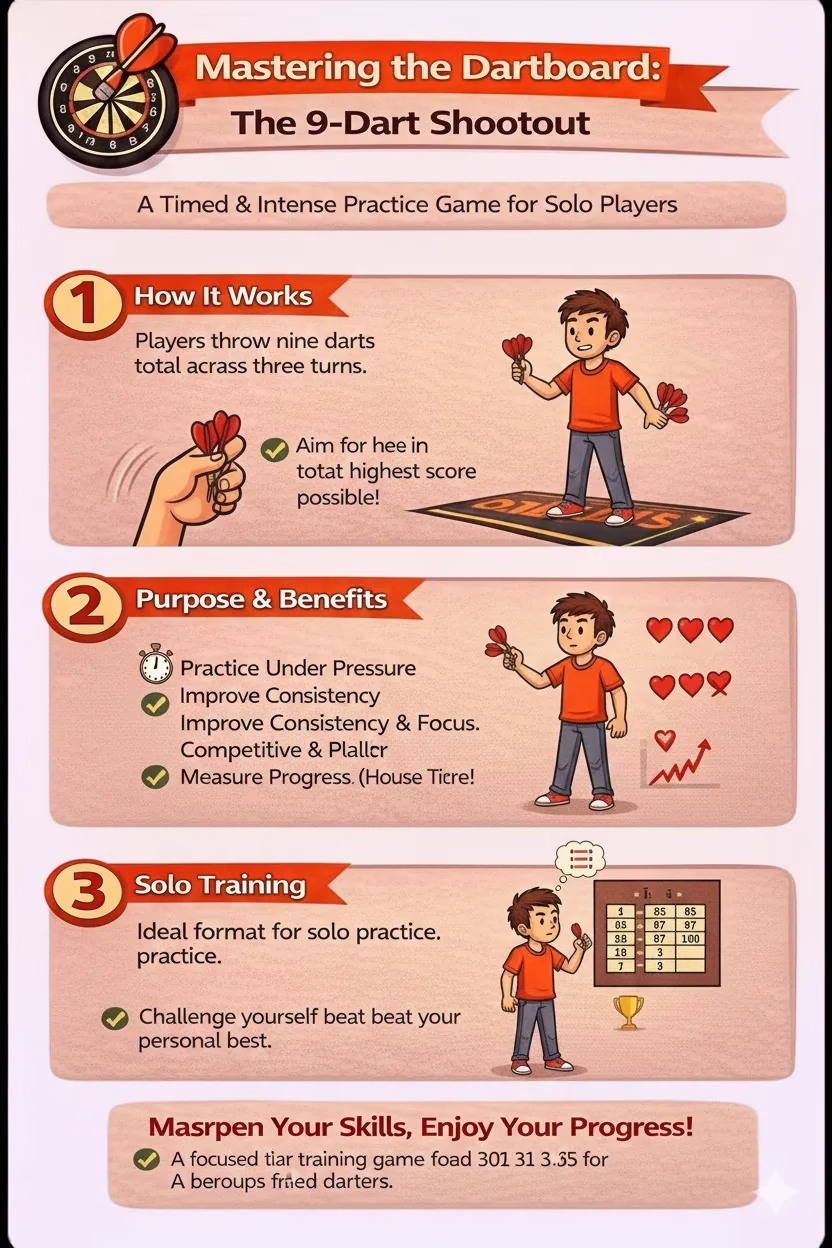
This is a timed or round-limited practice game.
How It Works
Players throw nine darts total and aim for the highest score.
Purpose
Practice under pressure
Improve consistency
Measure progress
Many players use this format for solo training.
Darts for Teams and Doubles
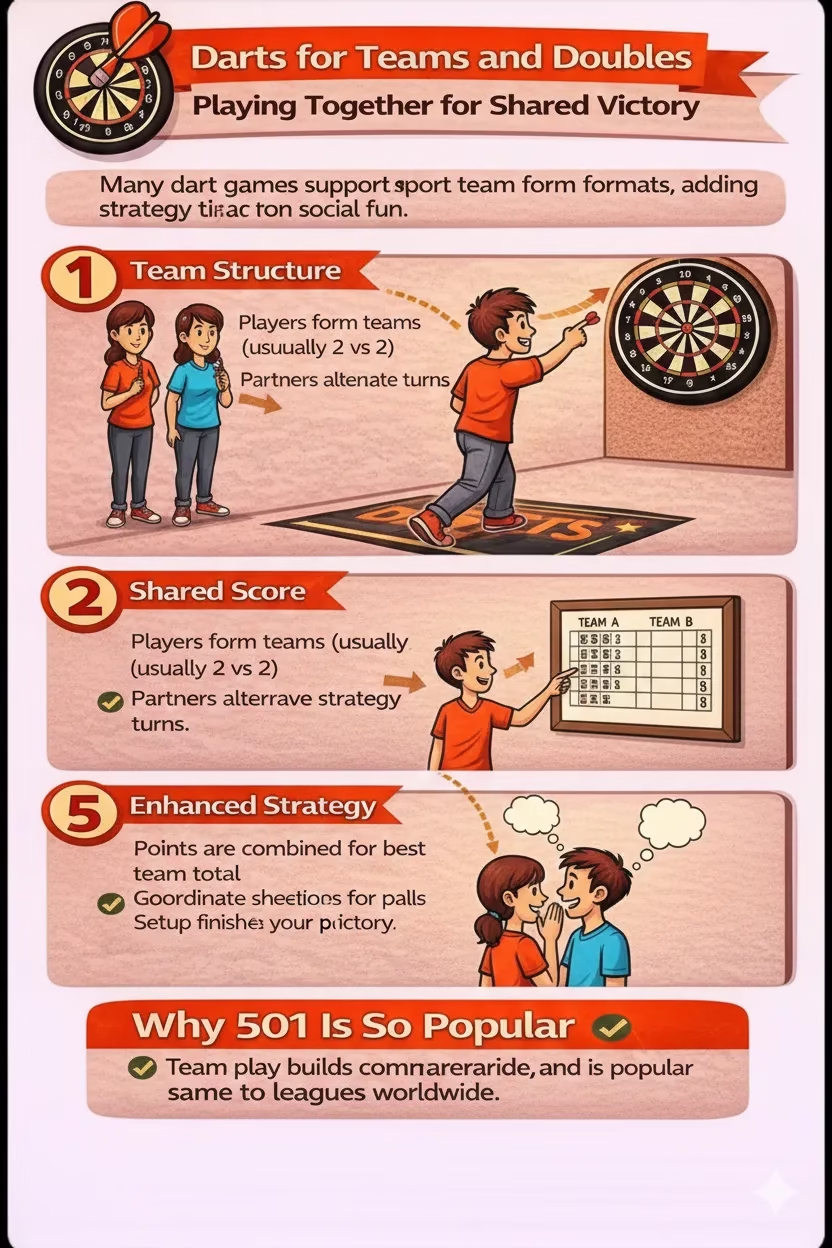
Many dart games support team formats.
Common Rules
Players alternate turns
Scores are shared
Strategy becomes more important
Team play is common in leagues and adds a social element to darts.
House Rules vs Official Rules
Darts is unique because house rules are common. Casual players often adjust rules to fit their space or skill level.
Common House Rule Adjustments
Straight-out instead of double-out
Shorter starting scores
No bust rule
Extra lives in Killer
Official rules are used in leagues and tournaments, but house rules keep the game accessible.
Safety Rules in Dart Games
Safety matters, especially at home.
Always throw from a clear area
Never retrieve darts while someone is throwing
Use proper dartboard surrounds
Keep darts out of reach of children
Good habits prevent accidents and protect equipment.
Choosing the Right Dart Game for Your Skill Level
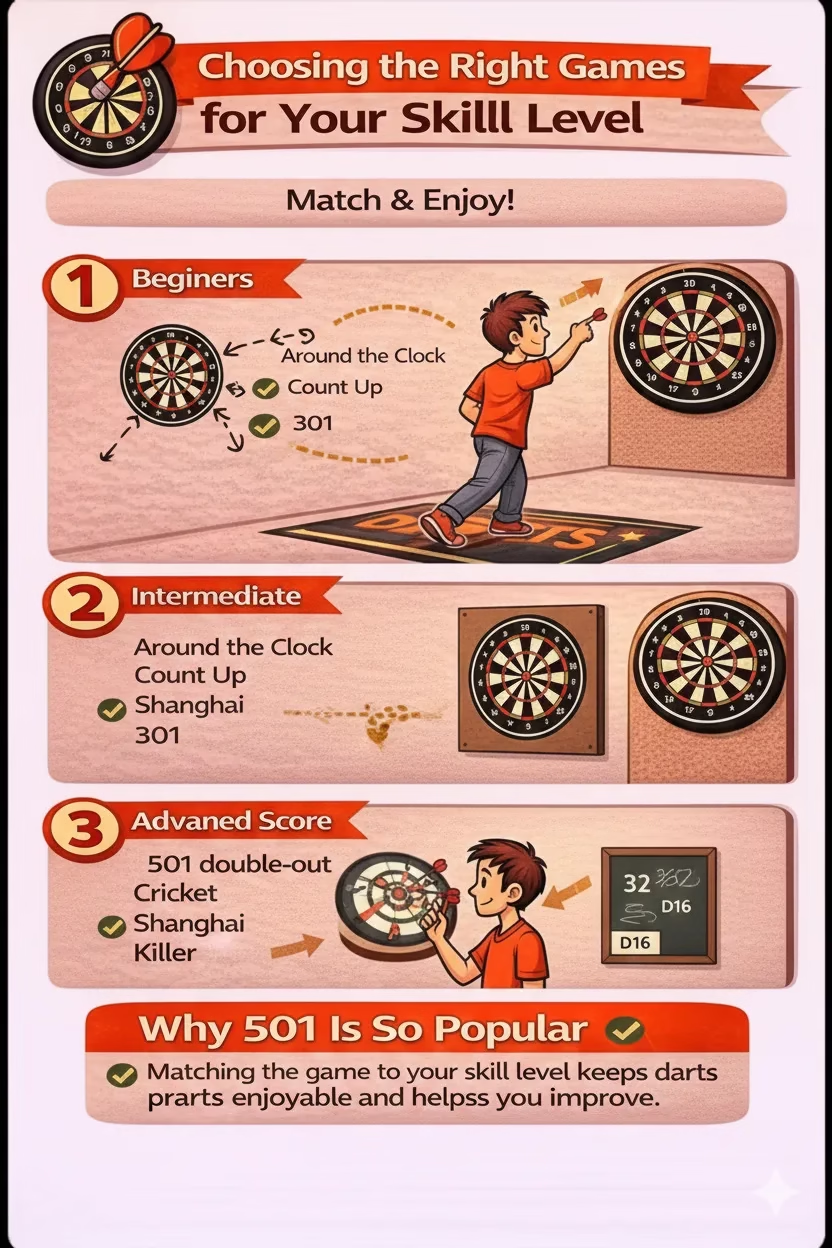
Beginners should start with:
Around the Clock
Count Up
301
Intermediate players enjoy:
Cricket
Shanghai
Killer
Advanced players prefer:
501 double-out
Practice drills
Competitive formats
- ways to play darts
Matching the game to your skill level keeps darts enjoyable.
Why Learning Dart Games Improves Your Skill
Each dart game trains a different aspect of play.
501 builds scoring efficiency
Cricket improves control
Around the Clock builds accuracy
Practice games build consistency
Rotating games prevents burnout and speeds up improvement.
Final Thoughts
Darts is not just one game. It is a collection of challenges, strategies, and traditions that reward patience and practice. Learning dart games and their rules gives you confidence at the board and makes every session more enjoyable.
Whether you play for fun, competition, or improvement, understanding these games helps you appreciate darts on a deeper level. With the right rules and the right mindset, every throw becomes part of a bigger picture.
Frequently Asked Questions
What is the easiest dart game to learn?
Around the Clock is the easiest and best for beginners.
What dart game do professionals play?
501 with double-out is the standard professional format.
How many players can play darts?
Most games support two players, but many can be adapted for groups.
Can dart games be played with soft-tip boards?
Yes. Most dart games work with both steel-tip and soft-tip dartboards.
Are dart rules the same worldwide?
Core rules are similar, but variations exist depending on region and league.