common dart throwing mistakes
Learning to throw darts accurately takes time, patience, and consistency. Every beginner makes mistakes at the start, and that’s completely normal. In fact, most dart players—no matter how skilled—can remember struggling with the same issues when they first picked up a set of darts.
When we first started playing darts regularly, we made many of the mistakes covered in this guide. At the time, it wasn’t obvious why our throws were inconsistent or why improvement felt slow. Once these mistakes were identified and corrected, progress became much more noticeable and practice sessions became far more enjoyable.
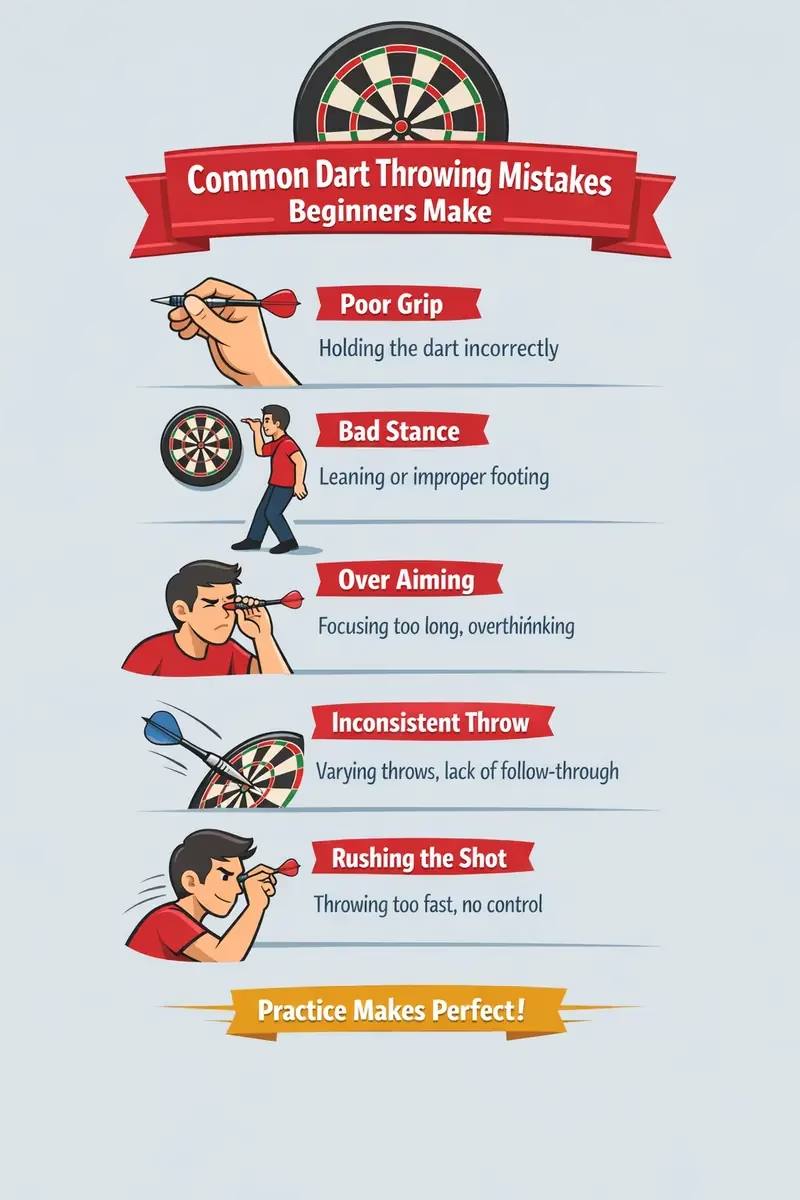
This article breaks down the most common dart throwing mistakes beginners make, explains why they happen, and shows you how to fix them step by step. Understanding these errors early can save months of frustration and help you build strong fundamentals.
🧠 Why Beginners Struggle With Dart Throwing
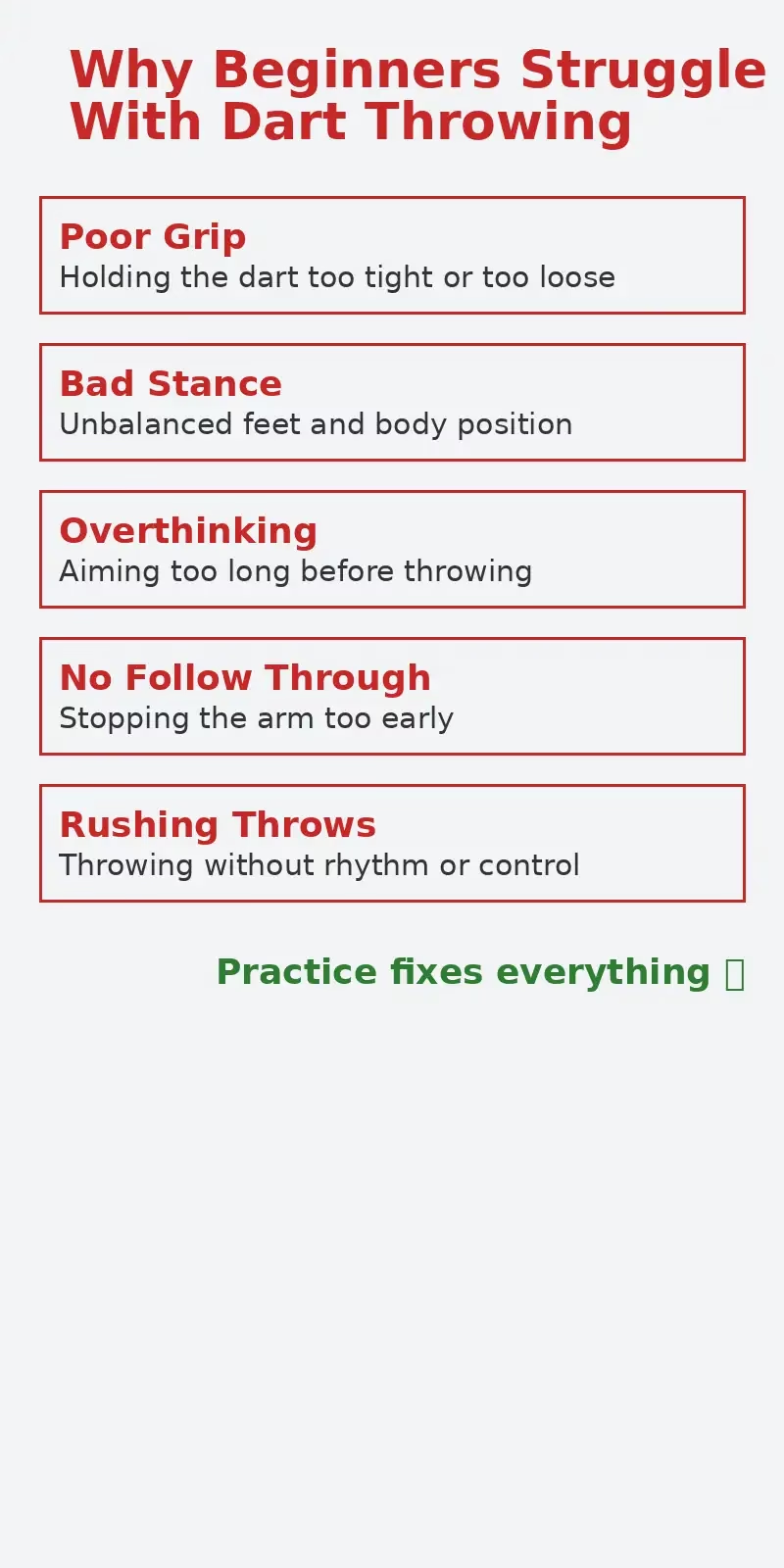
Darts may look simple, but it’s a precision-based skill that relies heavily on muscle memory. Beginners often focus too much on hitting the target and not enough on how they throw the dart.
Common beginner challenges include:
Lack of consistency
Overthinking technique
Poor setup habits
Mental pressure
Most mistakes come from misunderstanding the basics rather than lack of ability.
dart practice games for beginner is here.
❌ Mistake #1: Throwing Too Hard
One of the most common beginner mistakes is throwing the dart with too much force.
Why This Happens
Many beginners assume power equals accuracy. In reality, darts require control, not strength.
Why It’s a Problem
Causes wild throws
Reduces control
Increases bounce-outs
How to Fix It
Use a smooth, relaxed motion
Focus on accuracy, not speed
Let the dart do the work
From our experience, accuracy improved significantly once we reduced power and focused on smooth release.
❌ Mistake #2: Gripping the Dart Too Tightly
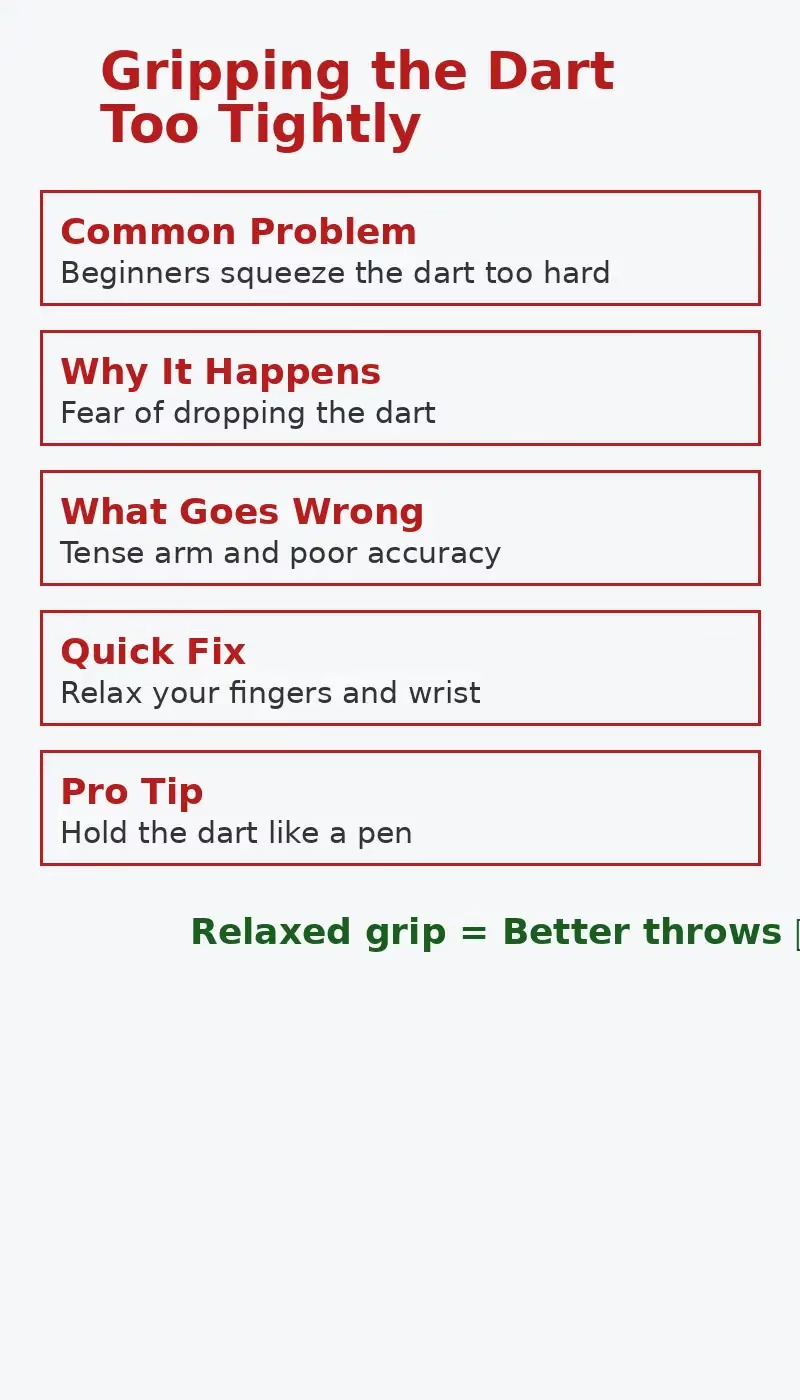
Grip tension is another major issue for beginners.
Why This Happens
Nervousness and lack of confidence cause players to squeeze the dart.
Why It’s a Problem
Jerky release
Poor control
Inconsistent flight
How to Fix It
Hold the dart lightly
Keep fingers relaxed
Avoid squeezing during release
A relaxed grip leads to smoother, more consistent throws.
Experts suggest holding the dart like an egg—firm enough to control, but light enough not to crack it. For more professional styles, you can study these expert dart grip techniques to find what feels natural for you.
❌ Mistake #3: Inconsistent Stance
A stable stance is the foundation of a good dart throw, yet many beginners overlook it.
Common Stance Errors
Moving feet between throws
Leaning too far forward or backward
Shifting weight mid-throw
- A consistent stance is vital for accuracy. Most pros recommend standing at an angle to the board to align your eye, arm, and target. You can find visual examples in this dart throwing guide.
Why It’s a Problem
Breaks consistency
Changes throwing angle
How to Fix It
Stand sideways to the board
Keep your dominant foot forward
Stay balanced and still
Consistency starts from the ground up.
❌ Mistake #4: Moving the Entire Body While Throwing
Beginners often involve their shoulders, torso, or legs during the throw.
Why This Happens
Lack of control and muscle awareness.
Why It’s a Problem
Reduces accuracy
Causes unpredictable throws
How to Fix It
Keep your body still
Let only your throwing arm move
Use your elbow as a hinge
A controlled arm motion produces straighter throws.our body should act as a solid foundation, with only your arm moving like a pendulum. For a deep dive into the mechanics, read this analysis on the physics of a perfect dart throw
❌ Mistake #5: Poor Aiming Focus
Many beginners aim too generally instead of focusing on a specific target.
Why This Happens
Trying to hit “the board” instead of a precise spot.
Why It’s a Problem
Inconsistent grouping
Poor accuracy
How to Fix It
Aim at a small point
Focus on the wire or segment
Keep your eyes on the target
Precision improves when your aim is specific.
❌ Mistake #6: Changing Technique Too Often
Constantly changing grip, stance, or throwing style slows progress.
Why This Happens
Beginners expect instant improvement and adjust too quickly.
Why It’s a Problem
Prevents muscle memory
Causes inconsistency
How to Fix It
Stick with one technique
Make small adjustments gradually
Allow time for improvement
Consistency builds skill over time.
❌ Mistake #7: Ignoring Follow-Through
Stopping the arm suddenly after release is a common beginner mistake.
Why This Happens
Fear of missing or lack of awareness.
Why It’s a Problem
Dart flight becomes unstable
Release timing suffers
How to Fix It
Let your arm extend naturally
Point fingers toward the target
Finish every throw smoothly
Good follow-through improves dart flight.
❌ Mistake #8: Incorrect Dartboard Height or Distance
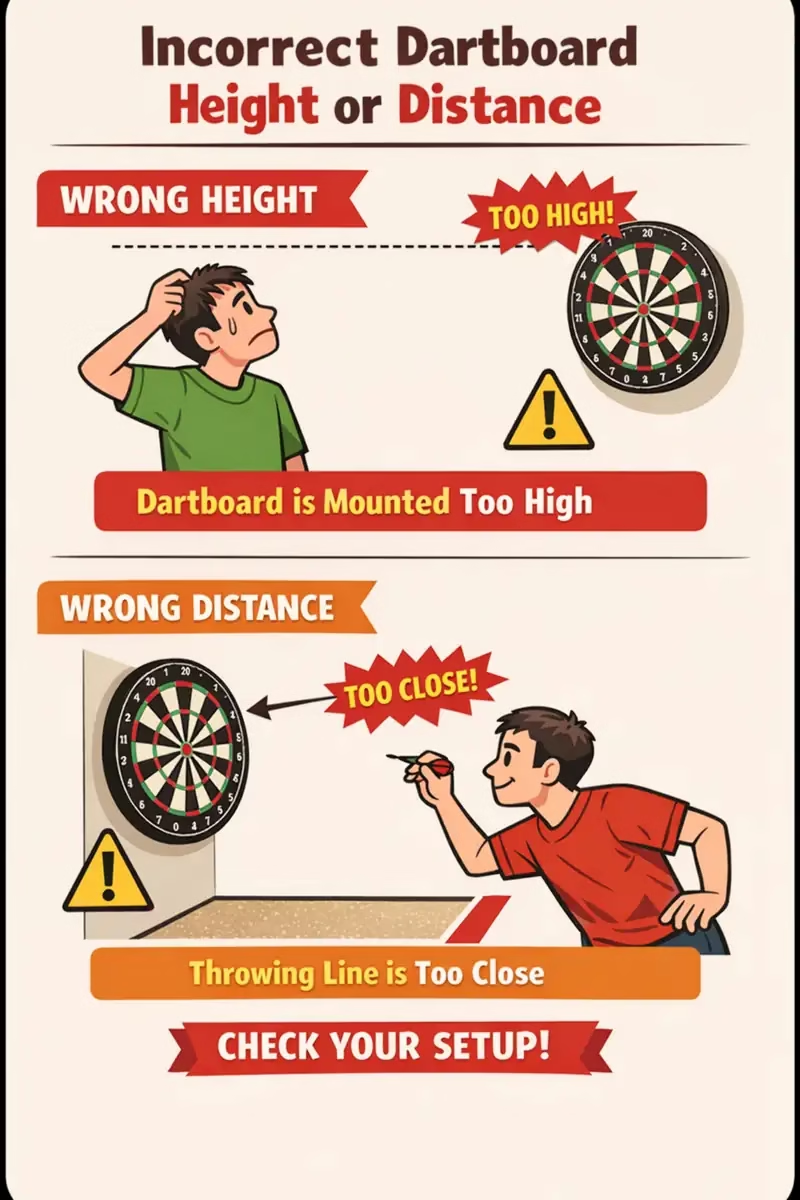
Even perfect technique struggles with poor setup.
Why This Happens
Improper measurements or casual setup.
Why It’s a Problem
Develops bad habits
Affects accuracy
How to Fix It
Use regulation height
Measure distance correctly
Keep setup consistent
Proper setup supports proper technique.
❌ Mistake #9: Practicing Without a Plan
Random throwing does not equal effective practice.
Why This Happens
Beginners don’t know what to practice.
Why It’s a Problem
Slow improvement
Lack of focus
How to Fix It
Use simple drills
Practice accuracy first
Keep sessions short and focused
- For extra details of practice darts at home.
Structured practice leads to faster progress.
❌ Mistake #10: Focusing Only on Scoring
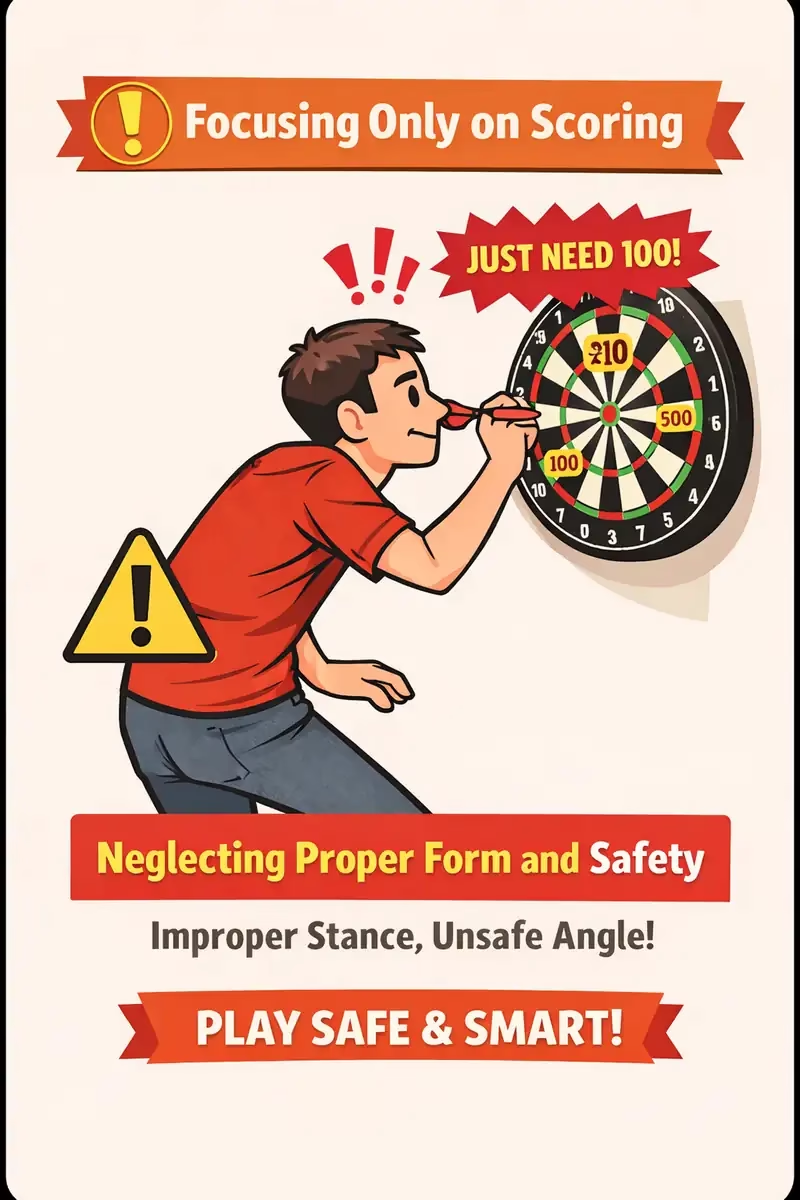
Chasing high scores too early can slow improvement.
Why This Happens
Scoring feels rewarding.
Why It’s a Problem
Poor technique development
Frustration from missed targets
How to Fix It
Focus on accuracy
Practice grouping
Improve technique first
Scores improve naturally with good fundamentals.
🧠 Mental Mistakes Beginners Make
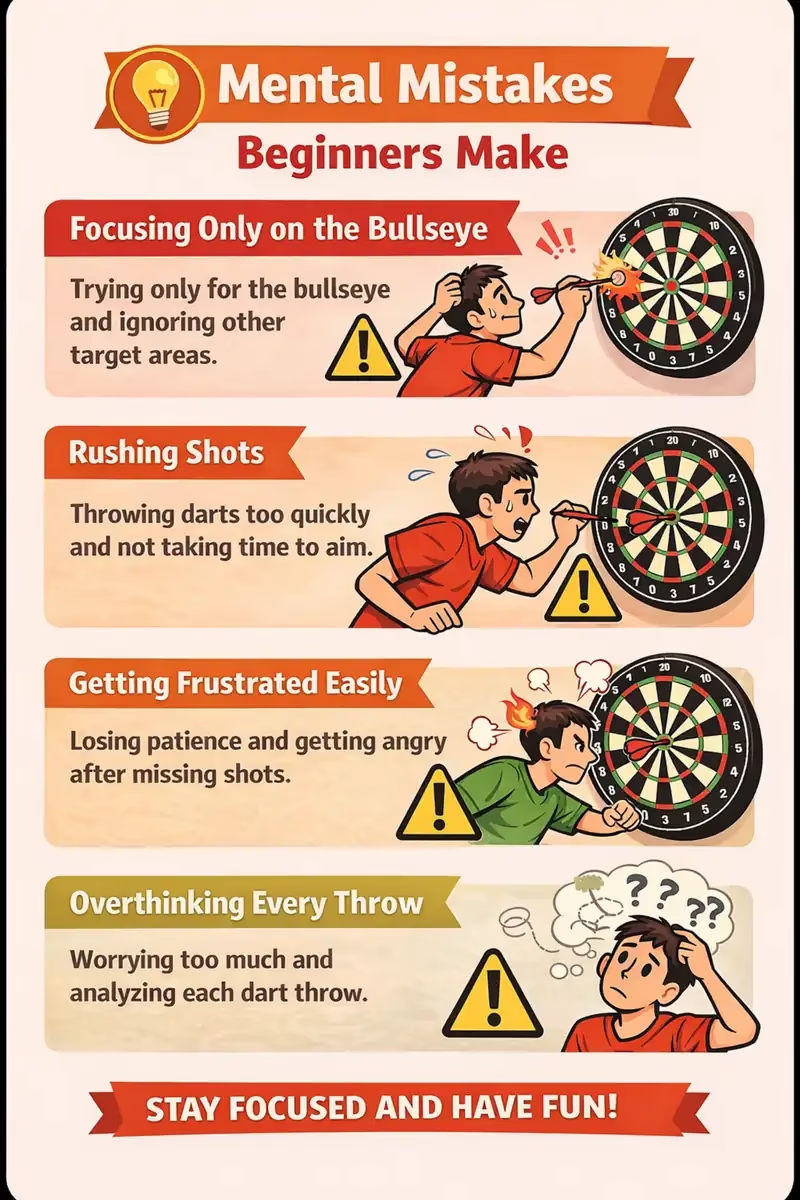
Darts is also a mental game.
Common Mental Errors
Getting frustrated quickly
Comparing yourself to others
Rushing throws
How to Fix Them
Stay patient
Focus on progress, not perfection
Keep a calm mindset
Confidence grows with experience.
🧠 How Long Does It Take to Fix These Mistakes?
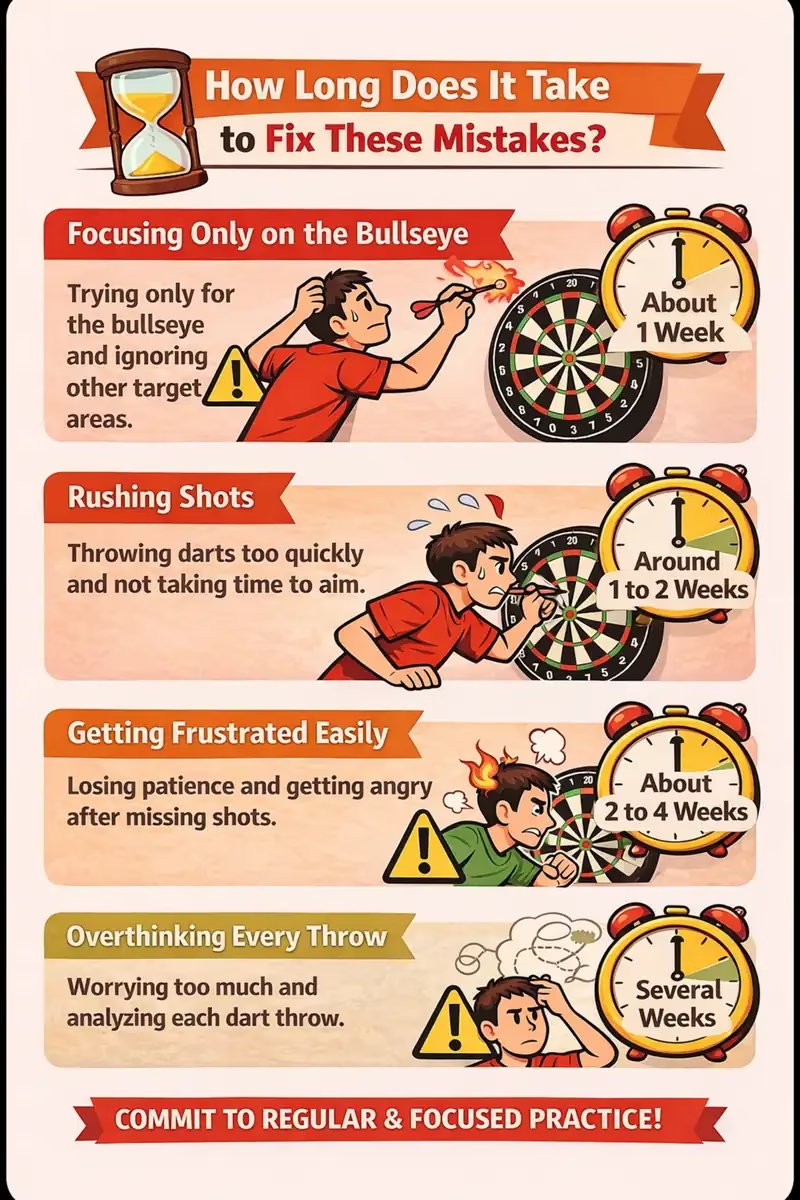
Improvement timelines vary, but most beginners notice positive changes within a few weeks of focused practice.
Typical Progress
First 2 weeks: Awareness of mistakes
3–4 weeks: Improved consistency
Month 2+: Better accuracy
Patience and repetition are key.
❓ Frequently Asked Questions
Do all beginners make these mistakes?
Yes. They are very common.
Can mistakes become bad habits?
Yes, if left uncorrected.
Should beginners practice every day?
Short, regular practice is ideal.
Is missing normal?
Absolutely. Missing is part of learning.
🧠 Final Thoughts
Making mistakes is a natural part of learning darts. The key is not avoiding mistakes entirely, but recognizing and correcting them early. Beginners who understand common dart throwing mistakes develop better habits, improve faster, and enjoy the game more.
From what we’ve seen, players who focus on fundamentals—rather than power or scoring—build confidence and accuracy over time. With patience, structured practice, and awareness, anyone can improve their dart throwing skills.
Take your time, stay consistent, and remember: every great dart player started as a beginner.
🔒 Transparency Notice
This article is for informational purposes only. Results may vary depending on individual practice habits and skill levels.