Best Darts for Beginners
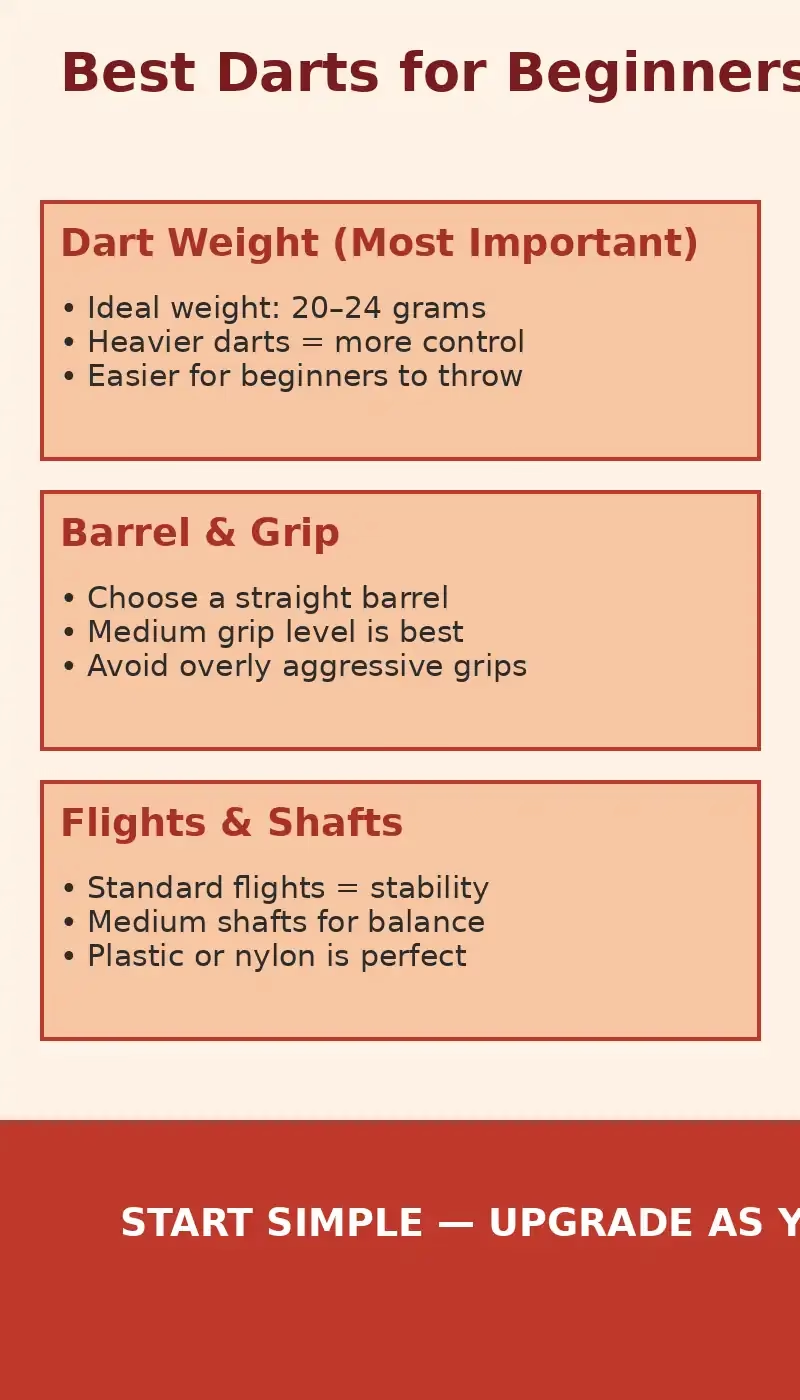
Choosing the right darts as a beginner can feel confusing at first. With so many shapes, weights, materials, and styles available, it’s easy to think that better darts automatically mean better performance. In reality, the best darts for beginners are not the most expensive ones—they’re the ones that help you learn proper technique comfortably and consistently.
When we first started playing darts regularly, we made the mistake of focusing too much on looks and price instead of comfort and control. Once we switched to beginner-friendly darts, accuracy improved noticeably, and practice became far more enjoyable.
This best darts for beginners: a complete buying & learning guide is designed to help you understand what darts are, how they work, and how to choose the right ones for your skill level. By the end, you’ll know exactly what to look for and what to avoid.
🧠 What Are Darts and Why Do They Matter?
A dart is made up of four main parts:
Tip
Barrel
Shaft
Flight
Each part affects how the dart feels in your hand and how it flies toward the board. For beginners, comfort and control matter much more than advanced customization.
The right darts help beginners:
Develop consistent throwing technique
Reduce hand strain and frustration
Improve grouping and accuracy
Enjoy longer practice sessions
🎯 Steel-Tip vs Soft-Tip Darts (Beginner Choice)
Before choosing darts, you need to know which type you’ll be using.
Steel-Tip Darts
Used on bristle dartboards
Common in pubs and competitions
Heavier and more traditional
Best for: Beginners who want realistic, long-term practice
Soft-Tip Darts
Used on electronic dartboards
Safer for home and family play
Lighter than steel-tip darts
Best for: Casual players, families, and apartments
👉 Tip: Choose darts based on your dartboard first.
⚖️ Dart Weight: What’s Best for Beginners?
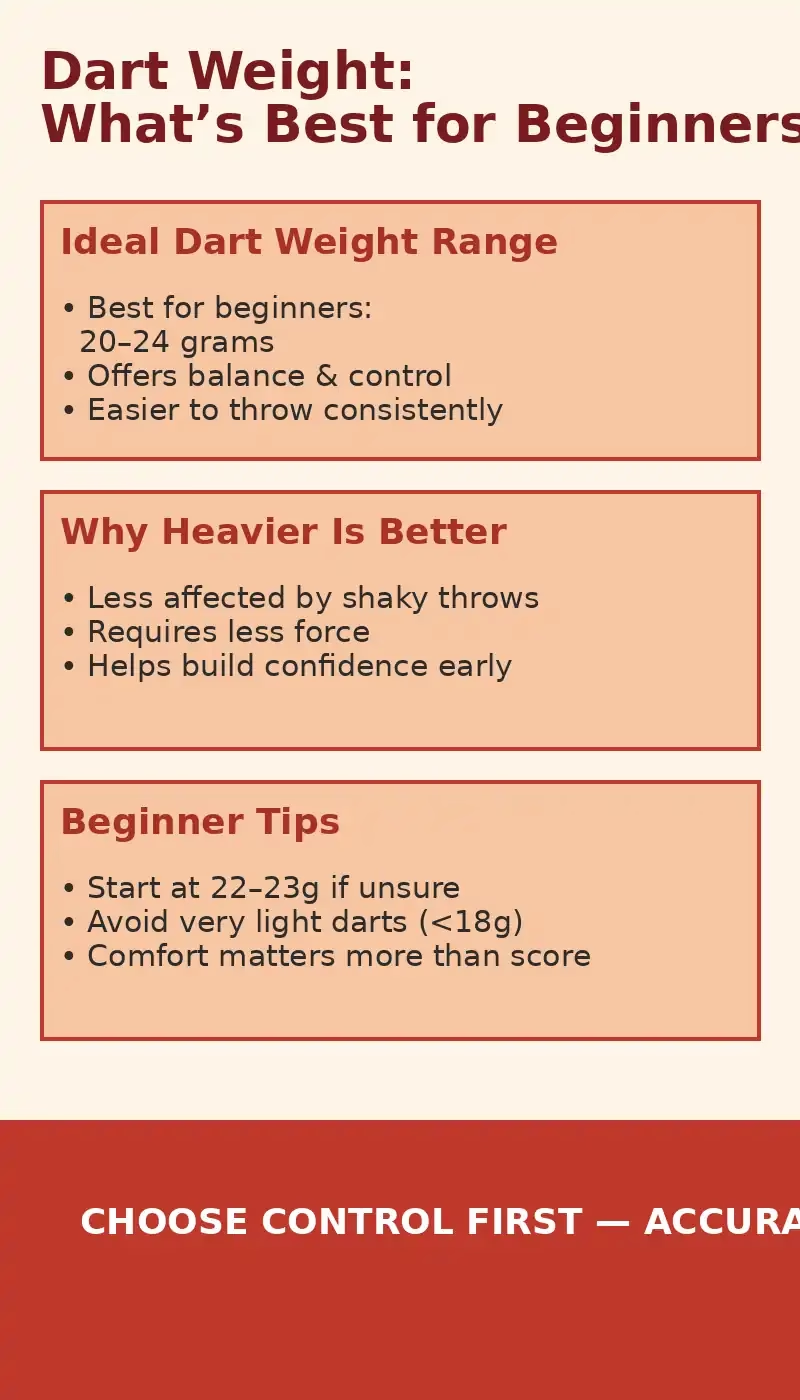
Dart weight is one of the most important factors for beginners.
Recommended Dart Weight for Beginners
Steel-tip: 22–24 grams
Soft-tip: 16–18 grams
When we tested different weights, mid-range darts felt the most stable and forgiving. Very light darts can feel erratic, while very heavy darts can cause fatigue.
✋ Barrel Shape and Grip
The barrel is the part you hold, and it plays a huge role in comfort and control.
Common Barrel Shapes
Straight barrel: Best for beginners
Torpedo barrel: Heavier front, more aggressive feel
Tapered barrel: Slimmer toward the tip
👉 Beginner recommendation: Straight barrels are easiest to control.
Grip Level
Smooth grip: Comfortable but less control
Medium grip: Best balance for beginners
Aggressive grip: Can feel uncomfortable at first
A medium grip allows beginners to hold the dart securely without tension.
🧩 Dart Materials Explained
Most beginner darts are made from brass or tungsten.
Brass Darts
Affordable
Thicker barrels
Good for beginners
Tungsten Darts
Slimmer profile
More durable
Slightly more expensive
👉 Beginners can start with either, but 80–90% tungsten offers long-term value without being overly advanced.
🪶 Shafts and Flights (Stability Matters)
Shafts
Short shafts: Faster, direct flight
Medium shafts: Best for beginners
Long shafts: Slower, more stable flight
👉 Medium shafts are the safest choice for beginners.
Flights
Standard flights: Most stable
Slim flights: Faster, less forgiving
👉 Beginners should always start with standard flights.
🏆 Best Darts for Beginners (What to Look For)
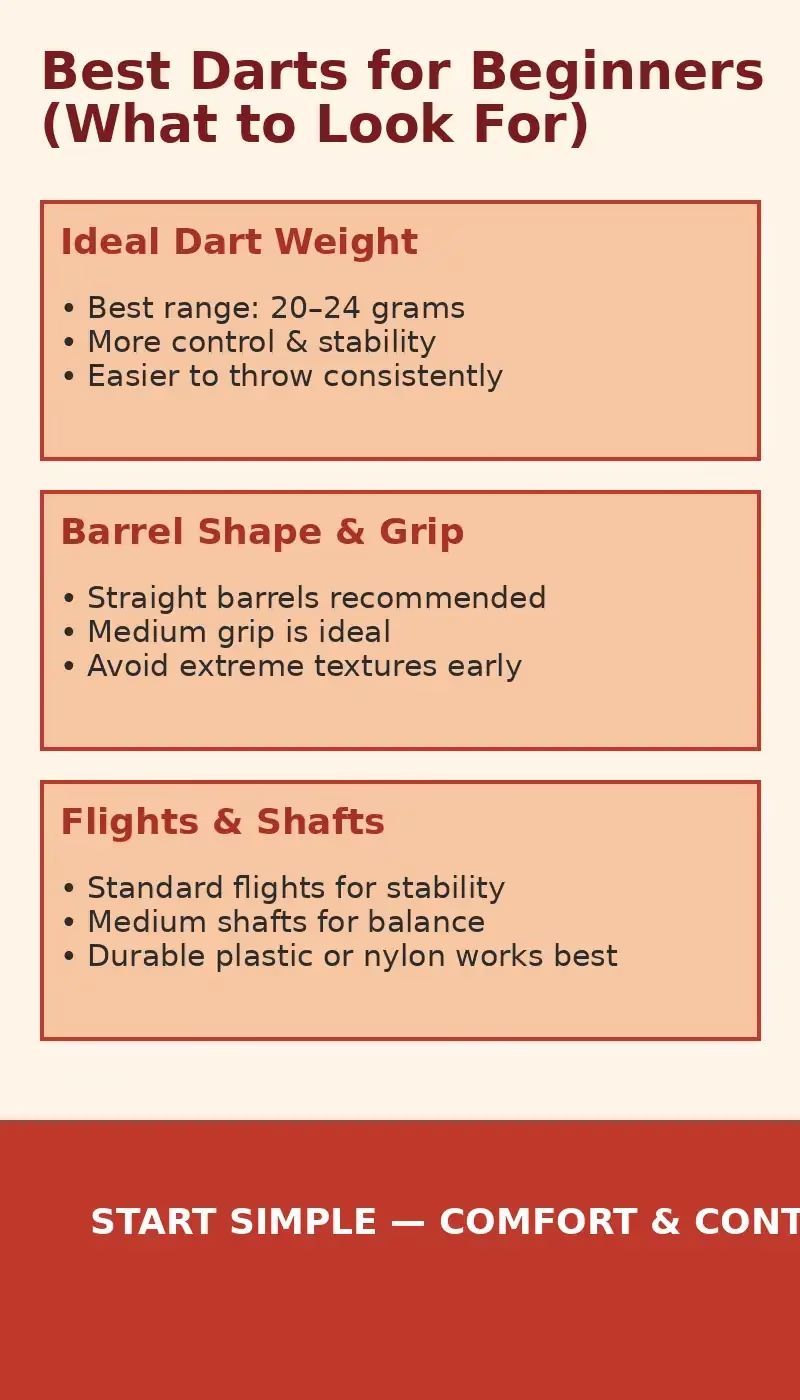
Instead of pushing specific brands, here’s what makes a dart beginner-friendly:
Ideal Beginner Dart Checklist
Medium weight (22–24g steel-tip)
Straight barrel
Medium grip
Standard flights
Comfortable balance
If a dart feels comfortable and consistent, it’s a good choice—regardless of brand.
❌ Common Mistakes Beginners Make When Buying Darts
Buying Very Light Darts
They’re harder to control and inconsistent.
Choosing Aggressive Grip Too Early
Can cause finger tension and poor release.
Focusing on Looks Instead of Feel
Design doesn’t improve accuracy—technique does.
Switching Darts Too Often
Stick with one set and learn it well.
🕒 How Long Should Beginners Use the Same Darts?
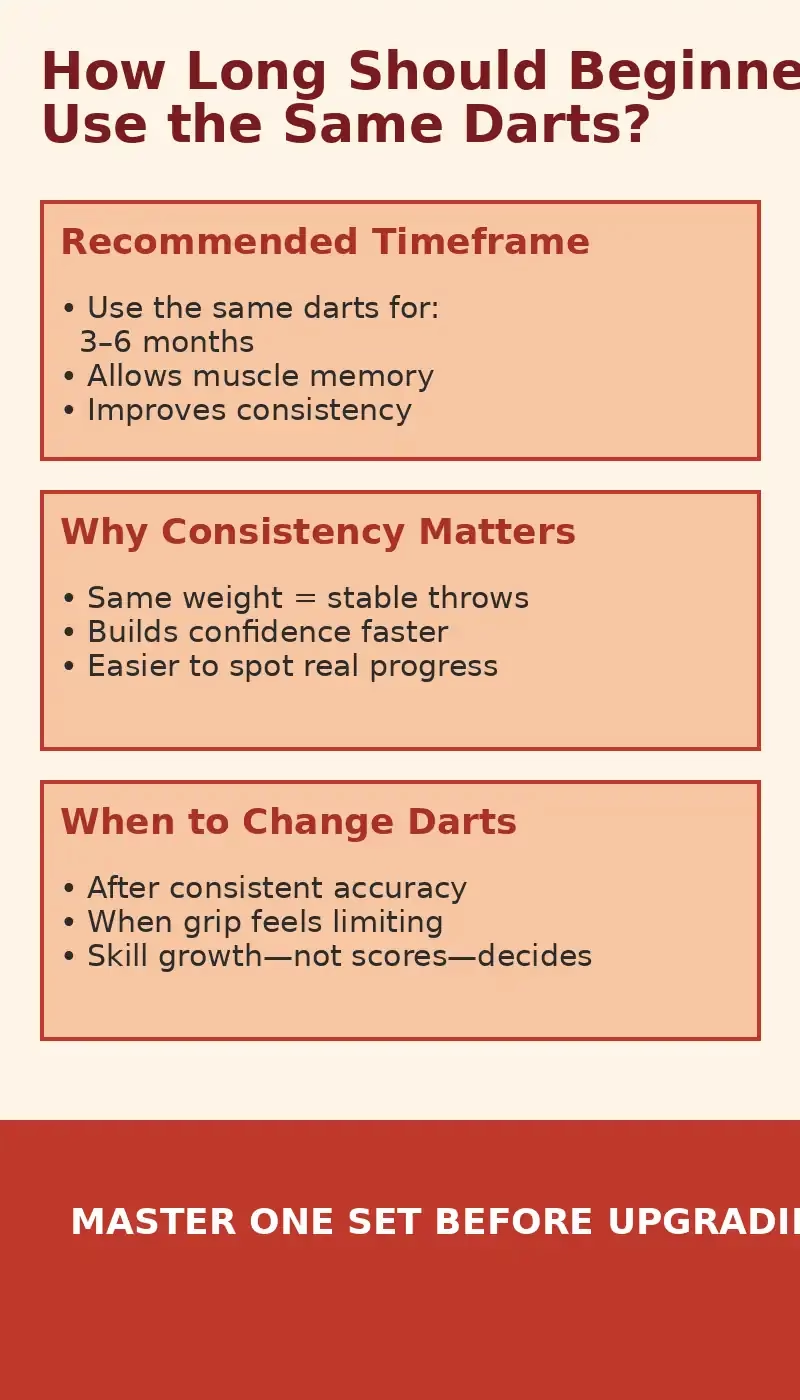
Most beginners benefit from using the same darts for several months. Muscle memory develops over time, and constant changes slow improvement.
When we stuck with one set consistently, grouping tightened and confidence improved.
🧠 Practice Tips Using Beginner Darts
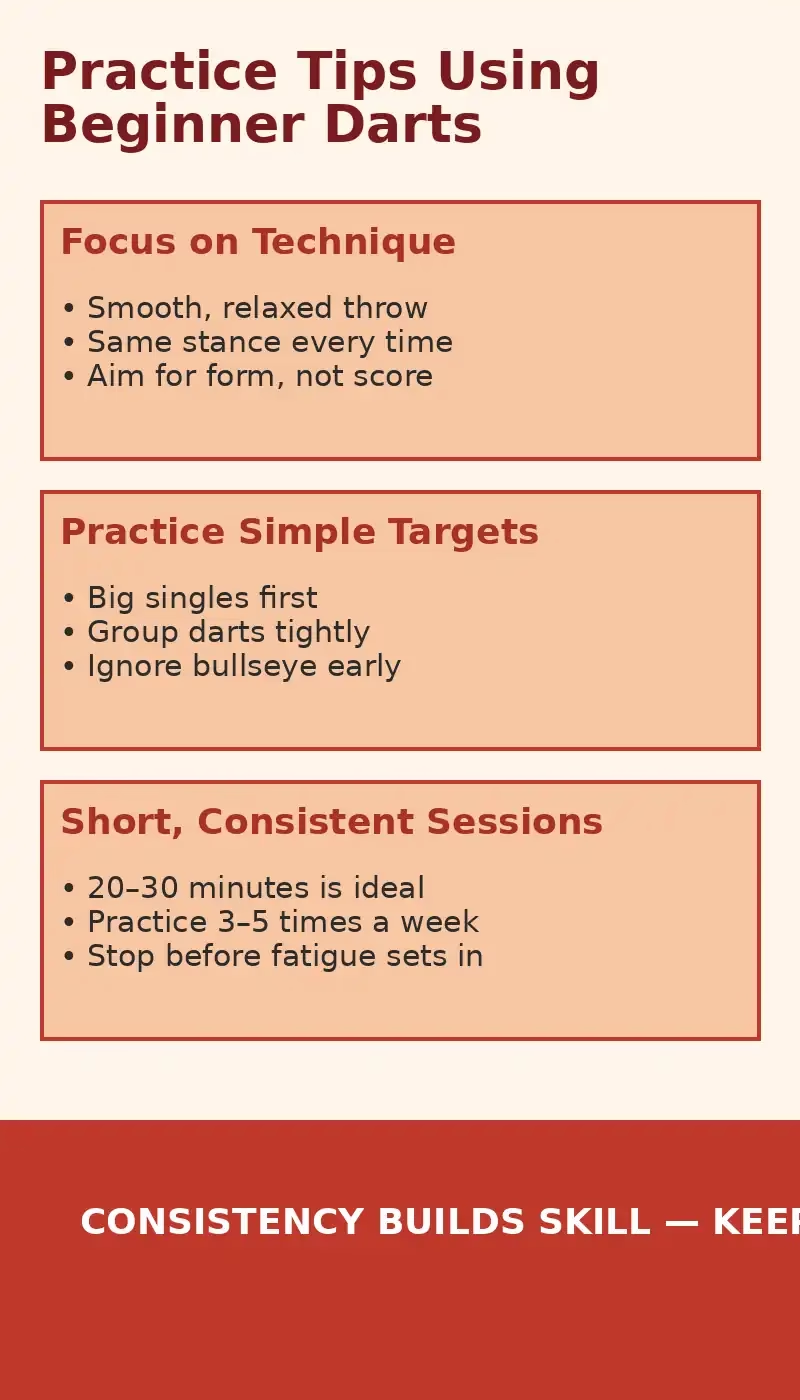
The right darts help, but practice habits matter more.
Effective Practice Tips
Use the same darts every session
Warm up before throwing seriously
Focus on accuracy, not power. Avoiding common dart throwing mistakes will help you see results even faster.
Practice short, regular sessions
Even 20 minutes a day can lead to steady improvement.
🧠 Mental Comfort and Confidence
Comfortable darts build confidence. When darts feel right in your hand, your focus shifts from “how to throw” to “where to aim.”
Confidence is one of the biggest factors in beginner improvement.
📅 When Should Beginners Upgrade Their Darts?
Beginners should consider upgrading when:
Their grip feels inconsistent
Accuracy has plateaued
They understand their preferred throwing style
There’s no rush. Many players use beginner darts for years.
❓ Frequently Asked Questions
Are expensive darts better for beginners?
Not necessarily. Comfort matters more than price.
How many darts should beginners buy?
One standard set of three is enough.
Do darts wear out?
Flights and tips wear out, barrels last years.
Can beginners use professional darts?
Yes, but simpler darts are easier to learn with.
🧠 Final Thoughts
The best darts for beginners are the ones that feel comfortable, balanced, and consistent. Beginners don’t need advanced designs or expensive setups—they need darts that help build proper technique and confidence.
From what we’ve seen, players who choose beginner-friendly darts and stick with them improve faster and enjoy the game more. Focus on comfort, practice regularly, and avoid overthinking equipment.
With the right darts and a steady routine, improvement will come naturally.
🔒 Transparency Notice
This article is for informational purposes only. Experiences may vary depending on individual practice habits and skill levels. We hope this best darts for beginners: a complete buying & learning guide has given you the confidence to pick your first set and start practicing!