A Short History of Darts
A Short History of Darts: From Medieval Pastime to Modern Precision Sport
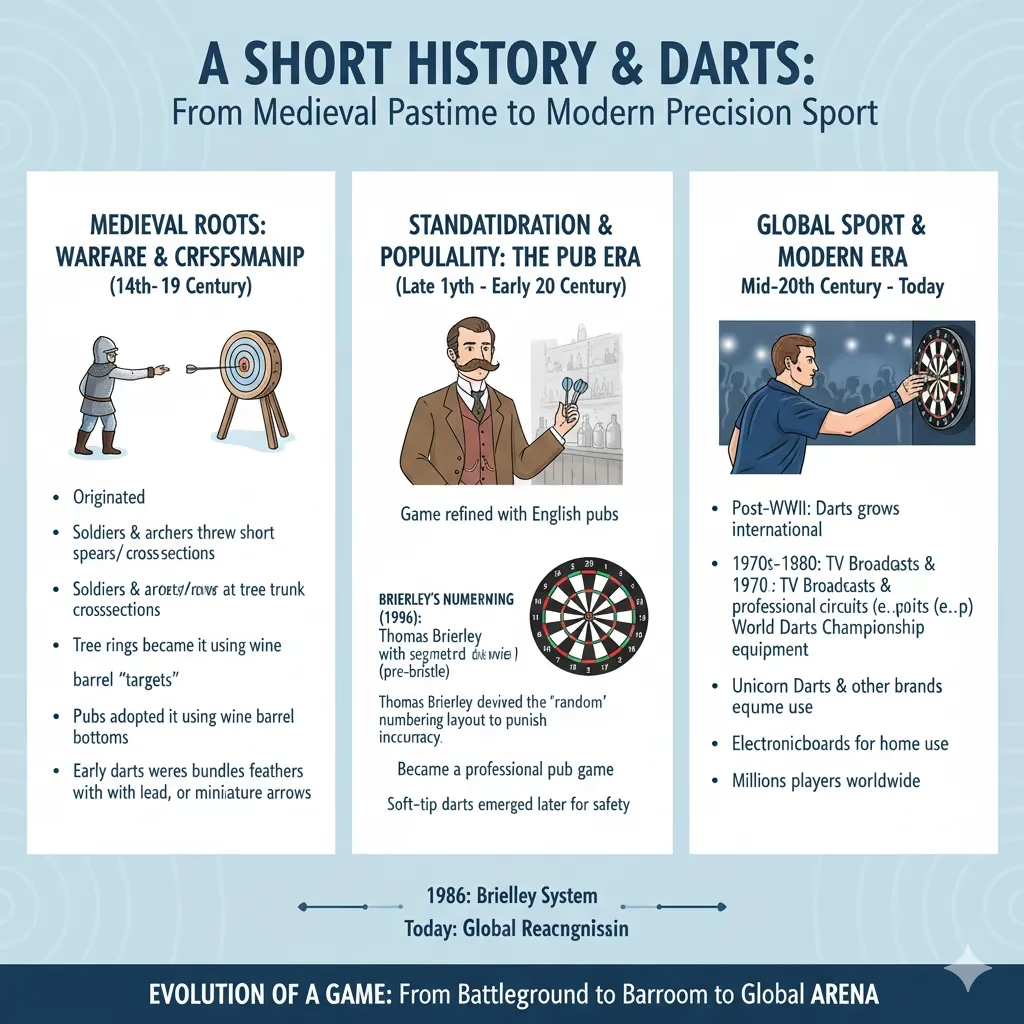
Darts is one of those games that feels timeless. Walk into a pub in England, a sports bar in the United States, or a game room anywhere in the world, and chances are you will see a dartboard on the wall. The game looks simple, yet it carries centuries of history behind it. Darts did not begin as a casual pastime. Its roots trace back to warfare, craftsmanship, and social tradition. Over time, darts evolved from a casual pastime into an organized sport, raising the question of is darts a game of skill today.
This article explores the history of darts in a clear and honest way, showing how the game evolved from rough beginnings into a globally recognized sport.
Early Origins of Darts
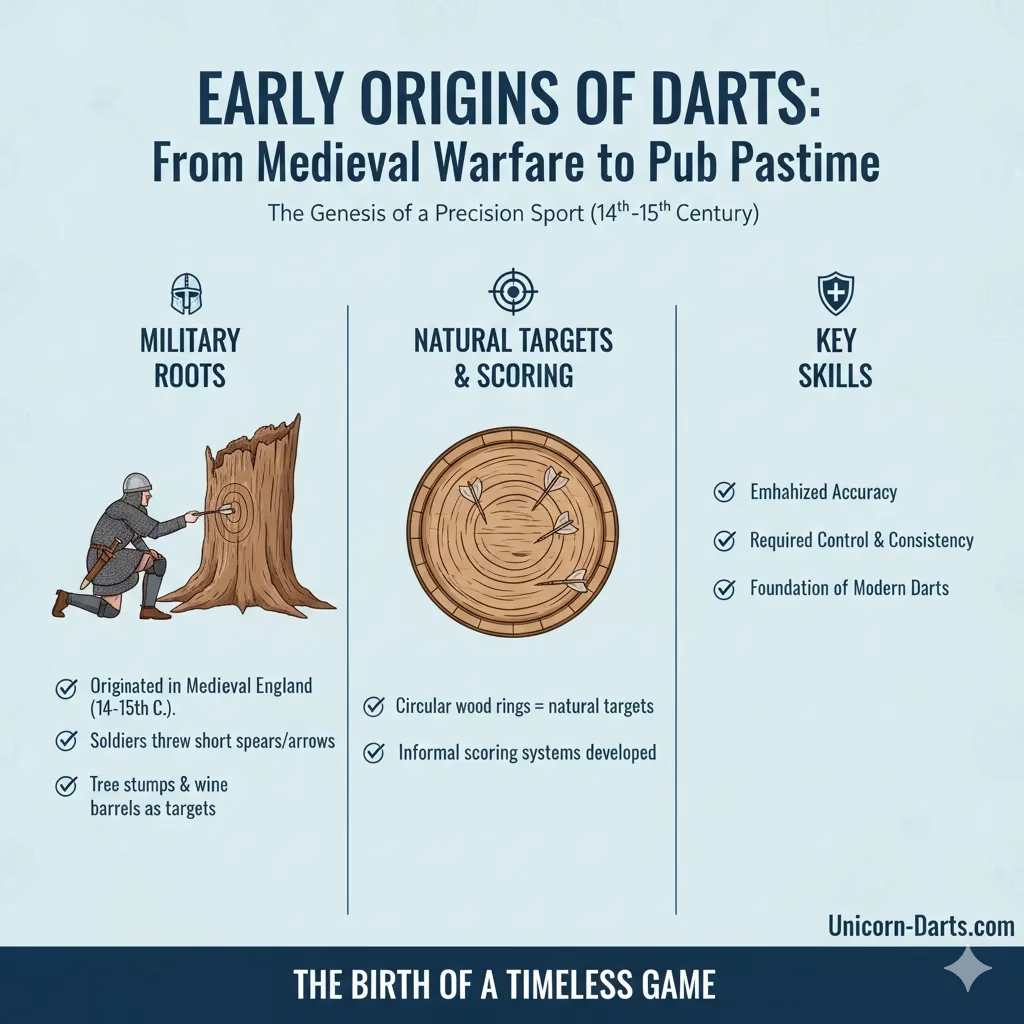
The story of darts begins long before organized rules or printed scorecards. Historians generally agree that darts originated in England during the Middle Ages. Soldiers are believed to have thrown short arrows or broken spear points at tree stumps or the bottoms of wine barrels to pass time during downtime.
The circular rings in the wood formed natural targets. Over time, players began creating informal scoring systems based on where the dart landed. These early throwing games emphasized accuracy, control, and consistency, traits that remain essential in darts today.
While no exact date marks the birth of darts, most evidence places its origins between the 14th and 15th centuries.
Darts and Military Influence
Military influence played a major role in shaping darts. Archers and soldiers needed strong hand-eye coordination and precision. Throwing darts helped keep these skills sharp. Shortened arrows were easier to throw indoors and required less space, making them ideal for taverns and gathering halls.
As warfare evolved and archery declined in importance, dart throwing shifted from training activity to recreational game. What began as practice slowly turned into competition.
Early Dartboards and Scoring
Early dartboards looked nothing like the boards we recognize today. Tree stumps, elm logs, and wooden slabs were common. Cracks in the wood naturally divided the surface into segments, which later inspired numbered scoring sections.
There was no universal scoring system. Each region developed its own rules. Some games rewarded accuracy, while others focused on hitting specific zones. These local variations helped darts grow organically across communities.
The Birth of the Modern Dartboard
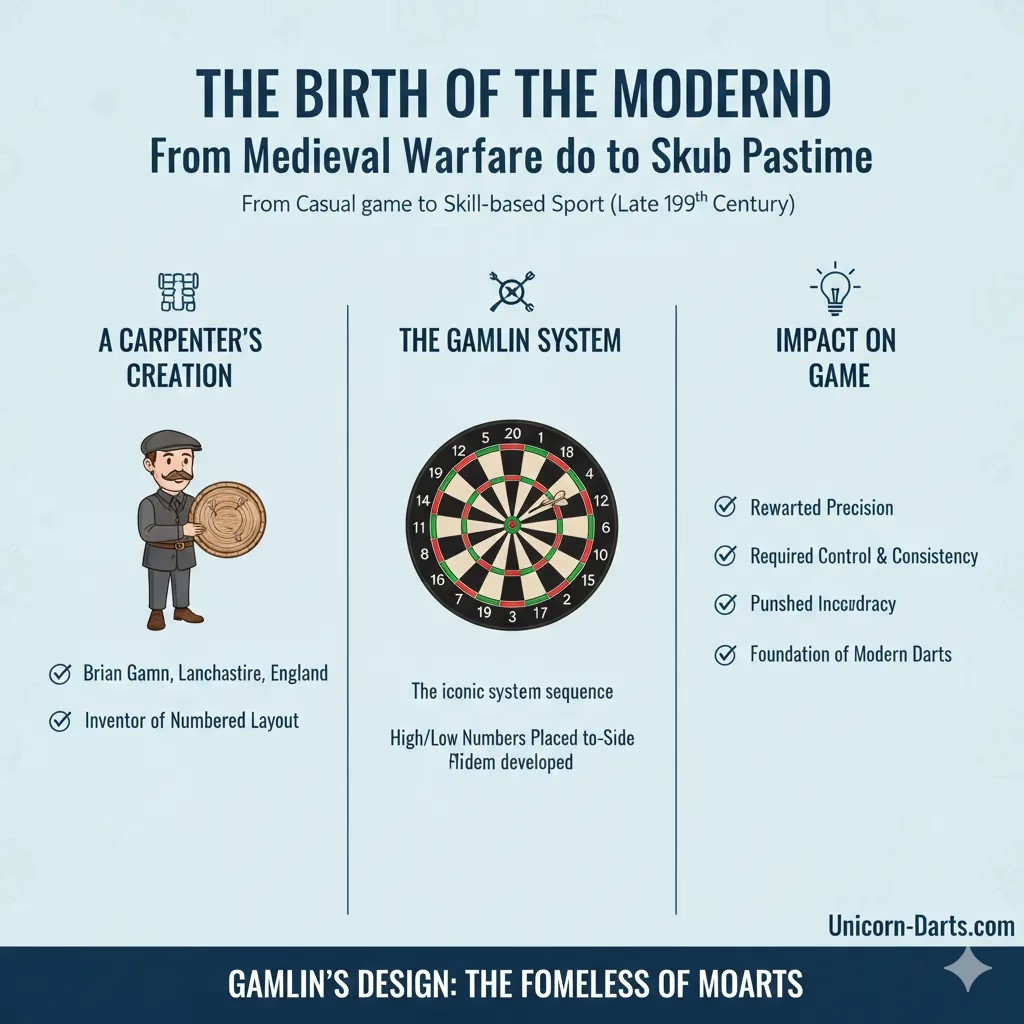
The modern dartboard began taking shape in the late 19th century. One of the most important figures in dart history is Brian Gamlin, a carpenter from Lancashire, England.
Gamlin is widely credited with creating the numbered dartboard layout still used today. His design balanced difficulty and fairness, placing high numbers next to low numbers to punish inaccurate throws.
The familiar sequence of numbers around the board was not random. It was carefully designed to reward precision and discourage wild throwing. This innovation helped transform darts from a casual game into a skill-based sport.
Legal Recognition of Darts as a Game of Skill
One of the most significant moments in dart history occurred in 1908 in Leeds, England. A pub owner named Jim Garside faced legal trouble because authorities believed darts was a game of chance, which was illegal for gambling purposes.
In court, an expert darts player demonstrated that skill, not luck, determined success. The court ruled in favor of Garside, officially recognizing darts as a game of skill.
This decision had a huge impact. It allowed pubs to host dart games legally, helping darts spread rapidly across England.
Darts in British Pub Culture
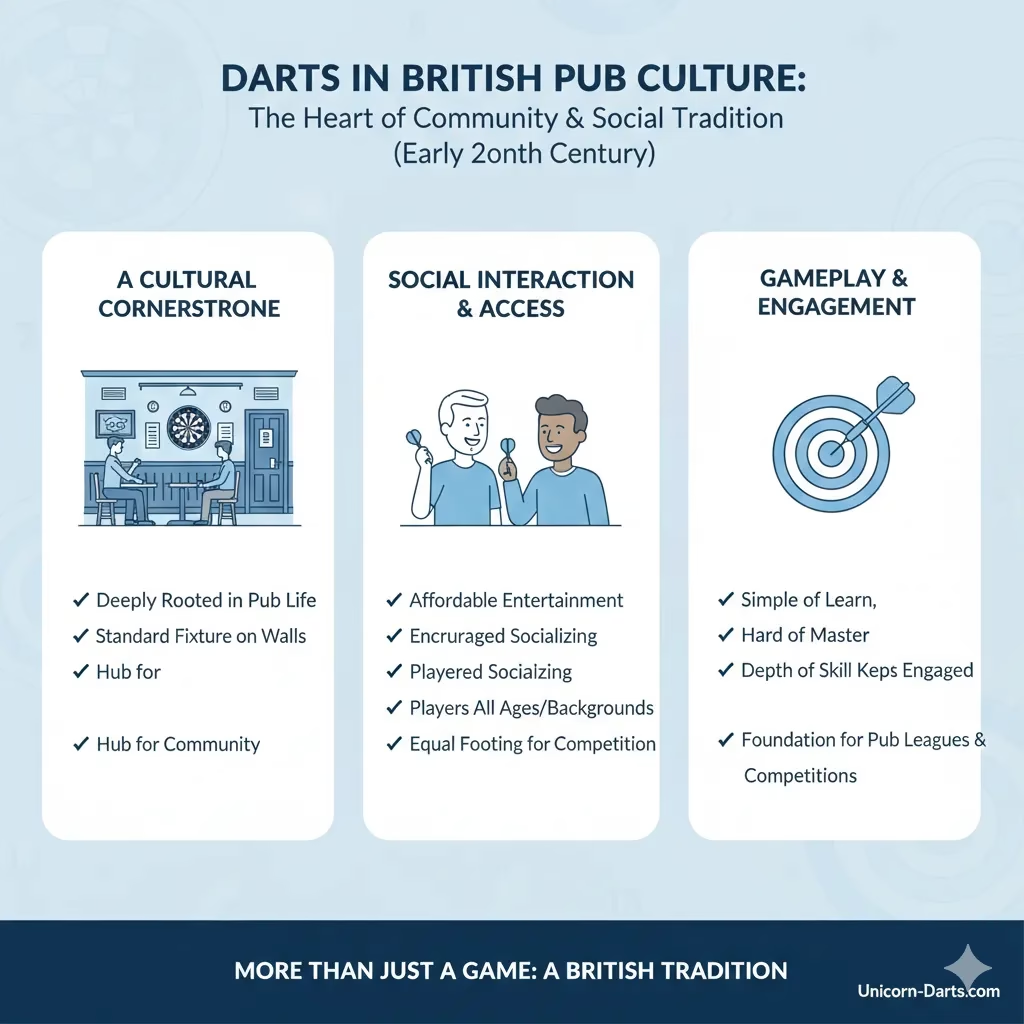
By the early 20th century, darts had become deeply rooted in British pub culture. Pub leagues formed, regular competitions were held, and dartboards became standard fixtures on pub walls.
Darts provided affordable entertainment and encouraged social interaction. Players of all ages and backgrounds could compete on equal footing. The simplicity of the game made it accessible, while the depth of skill kept players engaged.
Standardization of Rules and Equipment
As darts grew in popularity, the need for standardized rules became clear. Organizations began forming to regulate equipment, board dimensions, and gameplay.
Key developments included:
Standard board height and throwing distance
Consistent numbering layout
Official dart weights and materials
Uniform scoring rules
Standardization allowed darts to move beyond local leagues and into organized competition.As rules became standardized, the measurements of a dartboard also became consistent across competitions.
The Rise of Competitive Darts
The mid-20th century marked the rise of competitive darts. Organized tournaments attracted skilled players and growing audiences. One of the earliest major events was the News of the World Darts Championship, first held in 1927.
As competitions became more formal, darts gained recognition as a legitimate sport. Players trained seriously, refining their techniques and mental focus.
Darts on Television

Television played a major role in darts’ global expansion. In the 1970s and 1980s, televised tournaments brought darts into living rooms across the United Kingdom and beyond.
Broadcasts showcased the intensity of high-level play, turning top players into recognizable figures. Crowds, commentary, and dramatic finishes helped elevate darts from pub game to spectator sport.
Television exposure also encouraged sponsorships and professional careers.
Formation of Professional Organizations
As darts professionalized, governing bodies emerged to oversee competition.
Two of the most influential organizations are:
British Darts Organisation (BDO)
Professional Darts Corporation (PDC)
These organizations helped expand international tournaments, enforce rules, and support player development. While competition between organizations existed, both contributed to the growth of the sport.
Global Expansion of Darts
Darts did not remain confined to the United Kingdom. The game spread across Europe, North America, Asia, and Australia.
Different regions developed their own dart cultures:
Europe embraced professional league play
North America popularized Cricket
Asia introduced electronic dartboards
Japan and China invested heavily in modern darts venues
This global growth diversified how darts is played and enjoyed.
The Introduction of Electronic Dartboards

Electronic dartboards marked a major turning point in darts history. First introduced in the late 20th century, these boards automated scoring and introduced soft-tip darts.
Electronic boards made darts safer and more accessible, especially for homes and arcades. They also allowed for new game formats and easier multiplayer setups.
While traditional steel-tip darts remain popular, electronic darts opened the game to new audiences.
Modern Darts and Technology
Today, darts continues to evolve with technology. Smart dartboards, online scoring systems, and mobile apps have changed how players practice and compete.
Modern features include:
Automatic scoring
Online matches
Performance tracking
Interactive training modes
These innovations keep darts relevant in a digital age while preserving its core mechanics.
Women in Darts
Historically, darts was dominated by men, especially in pub environments. Over time, women gained greater visibility and recognition in the sport.
Dedicated women’s tournaments, improved media coverage, and inclusive leagues have helped expand participation. Today, women play a vital role in the global darts community.
Darts as a Cultural Symbol
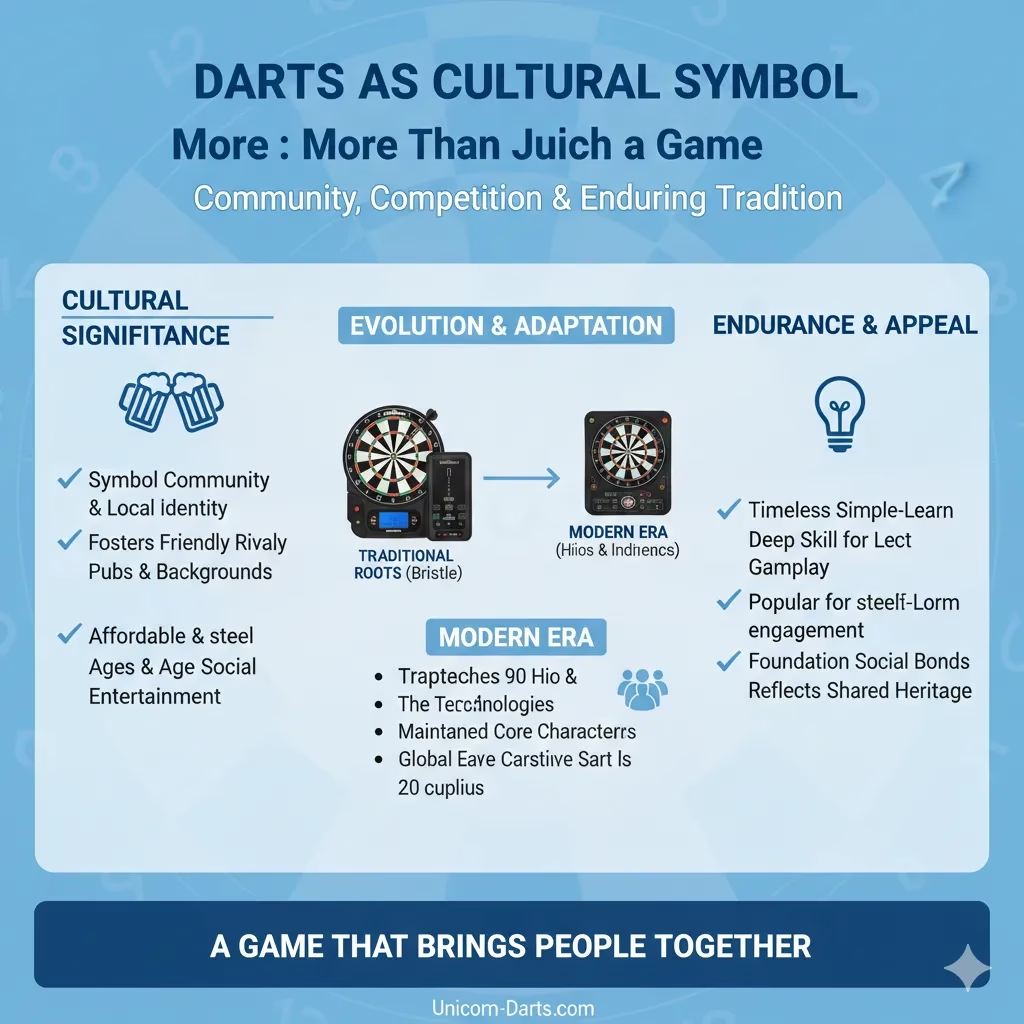
Darts represents more than just a sport. It reflects community, competition, and tradition. In many places, darts symbolizes local identity and friendly rivalry.
The game’s endurance comes from its ability to adapt without losing its character.
Why Darts Has Survived for Centuries
Darts has lasted because it balances simplicity and depth. Anyone can throw a dart, but mastery takes time. The equipment is affordable, the rules are clear, and the challenge never disappears.
Few games offer such accessibility combined with competitive potential.
Final Thoughts
The history of darts is a story of evolution, not reinvention. From medieval soldiers throwing sharpened objects to modern professionals competing on global stages, darts has grown without forgetting its roots.
It remains a game built on skill, patience, and community. Understanding its history deepens appreciation for every throw and every match.
Darts is not just a game played today. It is a tradition carried forward, one dart at a time.
Frequently Asked Questions
Where did darts originate?
Darts originated in England during the Middle Ages.
Who invented the modern dartboard?
Brian Gamlin is widely credited with designing the modern numbered dartboard.
When did darts become a professional sport?
Darts began professionalizing in the early 20th century.
Are electronic dartboards part of official competition?
Most professional tournaments use steel-tip boards, but electronic boards are widely used recreationally.
Why is darts considered a game of skill?
Because accuracy, consistency, and practice determine success, not chance.